The End of an Era: OnePlus Is Walking Away From the West
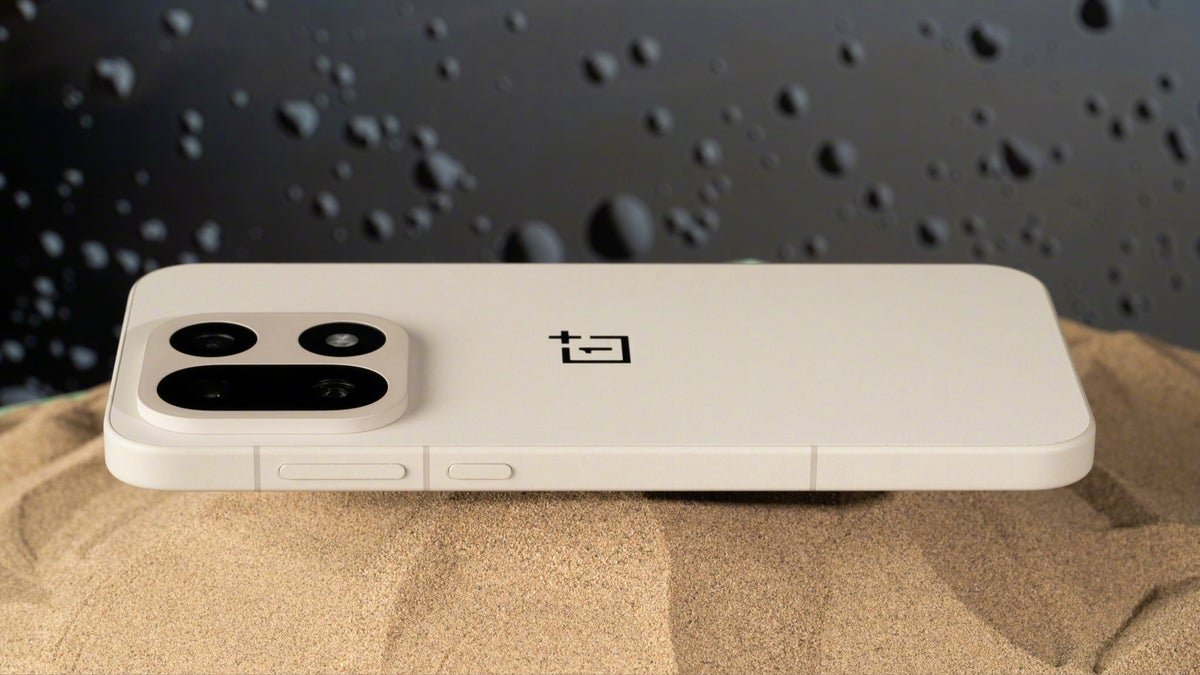
The brand that made flagship phones affordable is quietly exiting the US, UK, and EU — and their 2026 hardware is the best they've ever made

Remember when you couldn't get a OnePlus phone without an invite? When owning one meant you were in — part of a secret club of people who knew that you didn't have to spend $700 to get a flagship phone?
That energy is gone. And now, it looks like OnePlus might be gone from Western markets entirely.
Multiple credible sources, including an exclusive report from 9to5Google citing sources familiar with the company's internal operations, confirm that OnePlus has ceased or is in the process of ceasing operations across large portions of Europe, the UK, and North America. No firm official announcement has been made — but the signals are impossible to ignore.
The Signals Were There All Along
OnePlus didn't announce it was leaving. That's not how Chinese tech brands do it. The playbook is a gradual fade: no press releases, just silence.
And the silence has been deafening.
When the OnePlus Nord 6 launched in April 2026 — one of the most anticipated mid-range phones of the year — it dropped in India only. No US carrier deal. No EU retail listing. No UK storefront. For a brand that once courted Western tech media like a rockstar courting a crowd, that silence told the whole story.
The staffing picture made things clearer still. Dozens of OnePlus employees across Europe and the UK announced they were leaving, including UK and Spain Country Manager Serban Chiscop, along with PR managers for those markets and the EU. In what felt like a final punctuation mark, OnePlus India CEO Robin Liu left the company and returned to China in March 2026, with no announcement about what comes next.
How We Got Here
To understand what this means, you have to remember what OnePlus once was.
It launched in 2014 with the OnePlus One — a $299 phone packing a flagship Snapdragon 800-series chip, a developer-friendly OS built on CyanogenMod, and a design that felt premium without the premium price tag. They called it the "Flagship Killer," and it wasn't a marketing tagline. It was a genuine mission statement.
The brand was built on mystique. Invite-only drops. A passionate community. Co-founders Pete Lau and Carl Pei who felt like they were fighting the establishment on behalf of enthusiasts. The OnePlus 3 cemented that reputation — delivering specs that embarrassed phones twice its price, introducing Dash Charge ("A day's power in half an hour"), and shipping with OxygenOS, arguably the cleanest and most customizable Android skin ever made.
For a few years, OnePlus was untouchable in its niche.
Then things started to shift. Prices crept up. The product line expanded into confusing mid-range territory. The brand became quieter, more corporate. Carl Pei left in 2020 to start Nothing. By 2021, OnePlus had quietly become a sub-brand of Oppo. Pete Lau moved to Oppo as Chief Product Officer. The Hasselblad camera partnership — one of the last pieces of genuine OnePlus identity — eventually ended too.
One by one, the pieces fell. Not many noticed at the time. Now it all makes sense.
Brilliant Hardware, Too Late to Matter
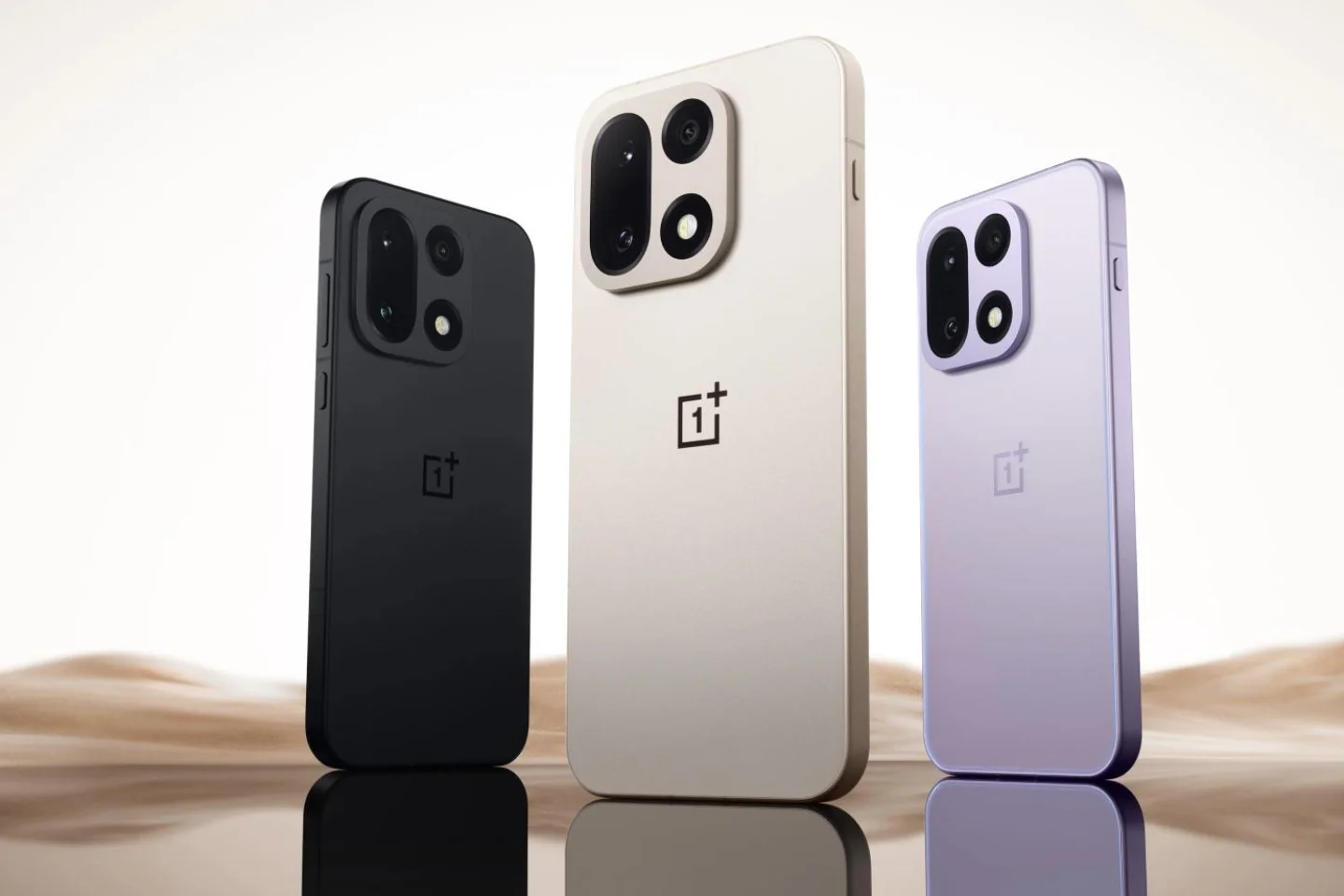
Here's the painful irony: OnePlus's 2026 hardware is some of the best it has ever made.
The OnePlus 15 was the first smartphone to genuinely deliver two-day battery life. The OnePlus 15R doubled down on that, landing with an even larger battery. And the OnePlus 15T — currently China-only — is a freak of engineering: a 7,500 mAh battery squeezed into a body just 150.56mm tall, weighing under 200 grams. For context, the Pixel 10 ships with 4,970 mAh. The Galaxy S26 sits around 4,000 mAh. Nothing else in that size class comes close.
The tech is there. The ambition is there. But the market presence isn't — and without carrier partnerships or retail footprints in Western markets, great hardware doesn't matter much.
What This Means If You Own a OnePlus
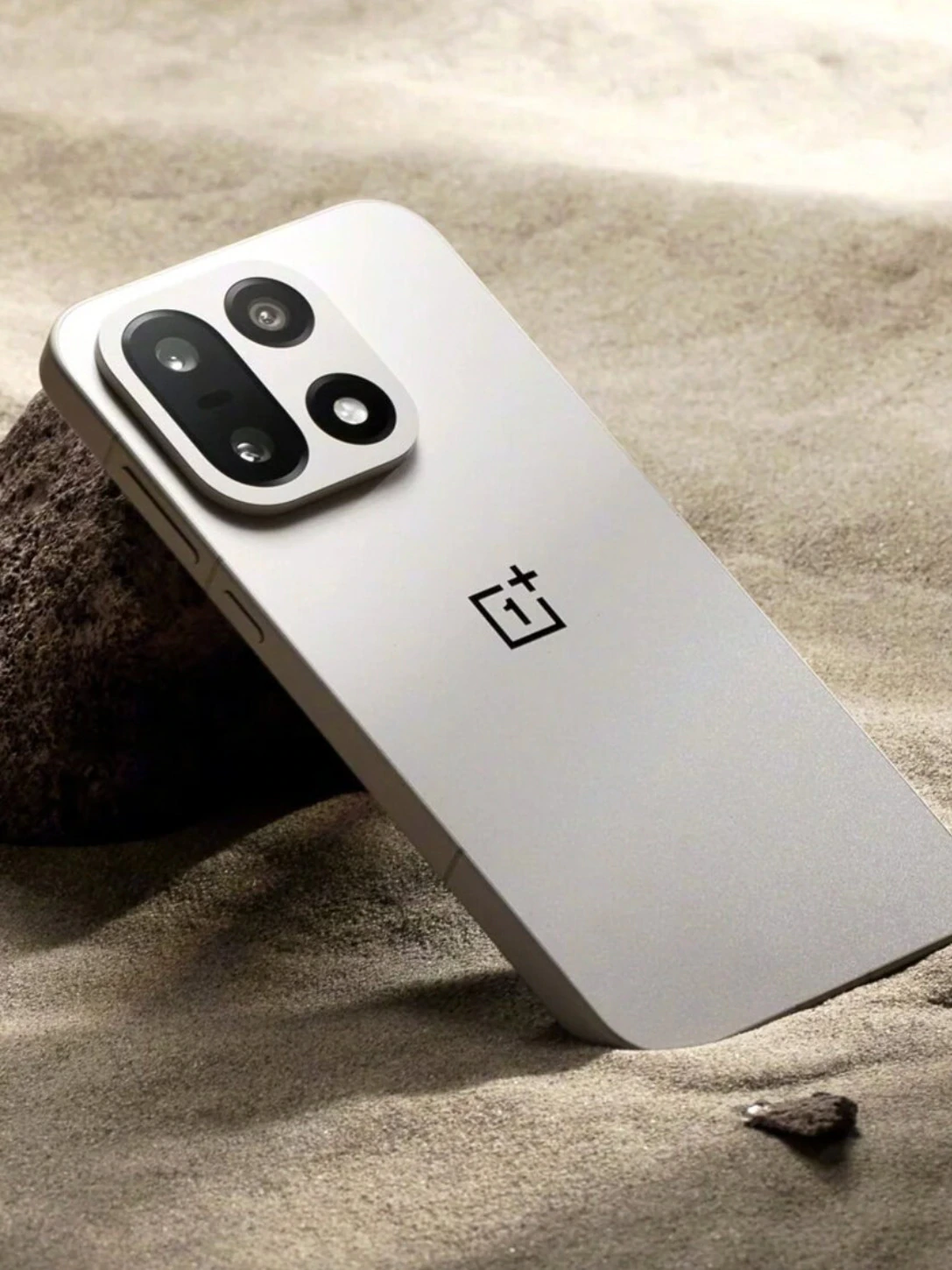
If you're already a OnePlus user in the US, UK, or EU, the immediate concern is what happens to your device. OnePlus has historically committed to software update timelines, and existing devices should continue to receive OxygenOS updates for the foreseeable future. But with regional PR teams gone and support infrastructure thinning, the longer-term picture is murkier.
What's almost certainly over: new OnePlus launches with Western pricing, carrier partnerships, and local support. The Nord 6 being India-only wasn't a one-off decision — it's the new normal.
The Bigger Picture
OnePlus's story is a cautionary tale about what happens when an enthusiast brand loses the plot. The "Never Settle" brand that once galvanized a community by refusing to compromise drifted — incrementally, over years — into becoming an expensive Oppo sibling with an identity crisis.
It's not a shutdown. Reports suggest OnePlus will continue operating in China and India, where the mid-range and wearables market still makes strategic sense. Realme, another Oppo sub-brand, recently returned under the Oppo umbrella — and there's growing speculation OnePlus may follow a similar path.
But for Western consumers? The OnePlus era is effectively over.
Whether you mourned it a few years ago when prices climbed past $800, or you're only just now realizing it — the brand that convinced a generation of Android fans they deserved more for less has quietly packed up and left the building.
“The flagships are still being killed. Just not by OnePlus anymore.”
Related Articles
Apple MacBook Pro M4: The Laptop That Ran Out of Competition
The most capable laptop Apple has ever shipped — three chips, 128GB unified memory, 24-hour battery, Thunderbolt 5, and on-device AI that never leaves your device.
Galaxy S26 Chip Lottery: Europe Gets Exynos 2600, US Gets Snapdragon — Does It Matter?
Samsung's dual-chip strategy returns for the Galaxy S26. The Exynos 2600 is the world's first 2nm processor, but Snapdragon still leads in single-core by 15%. Does it matter?
iOS 26.2.1 Update Warning: Users Report Widespread Crashes and Performance Issues
iPhone owners are reporting serious problems after installing Apple's latest iOS 26.2.1 update, with some users describing their devices as unusable following the installation.

NVIDIA Unveils DLSS 4.5 at CES 2026
NVIDIA made waves at CES 2026 with DLSS 4.5 — promising sharper visuals, 4K 240Hz with full path tracing, and dynamic environmental reactions powered by AI.