Galaxy S26 Chip Lottery: Europe Gets Exynos 2600, US Gets Snapdragon — Does It Matter?
Samsung's launching next week with two different chips under the same badge. The gap is narrower than ever — but it's still there.
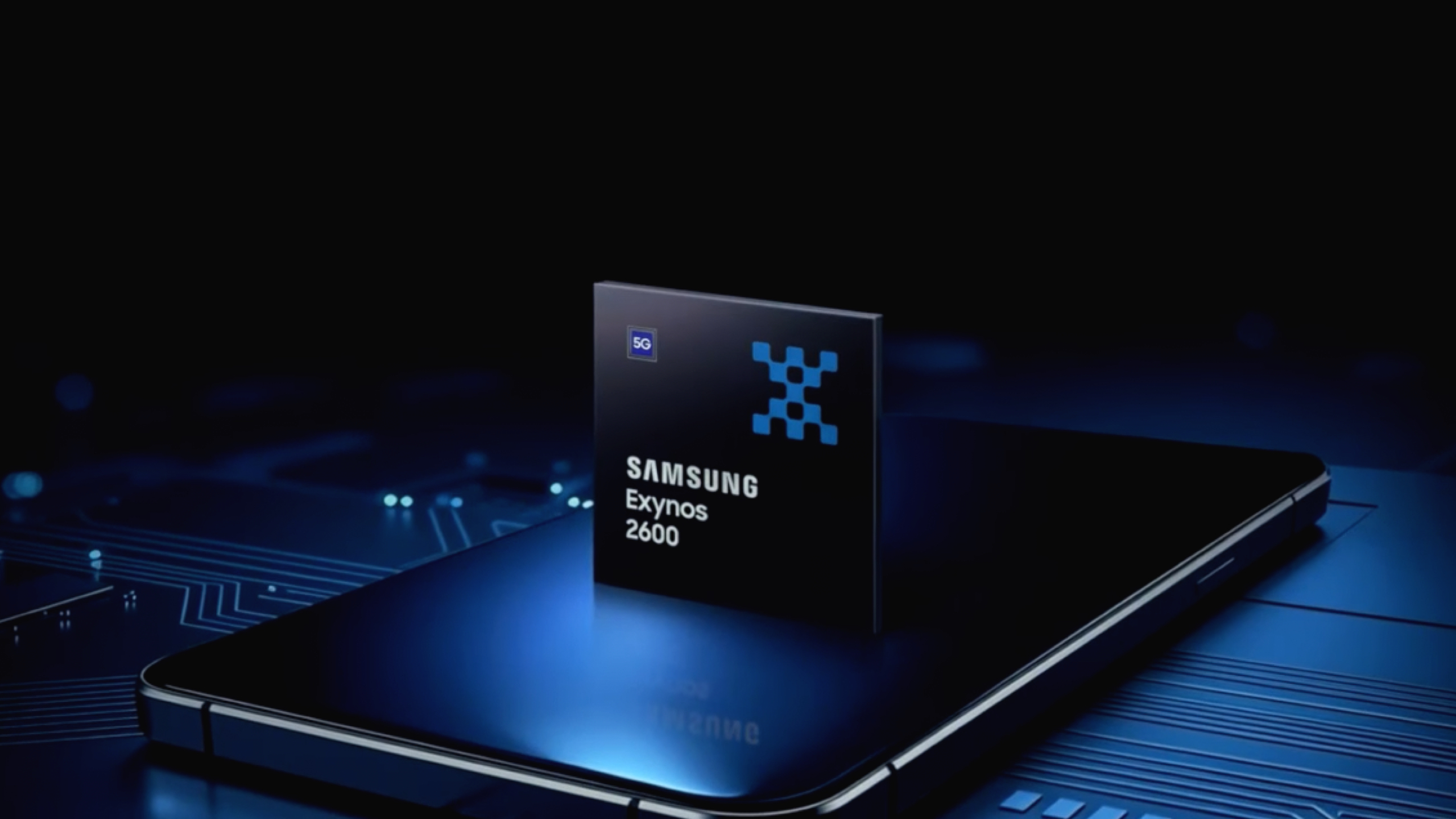
For years, Samsung's dual-chip strategy has been a point of contention. Buy a Galaxy flagship in the US, you get Qualcomm's Snapdragon. Buy the same phone in Europe, South Korea, or India, and you're rolling the dice on an Exynos chip that historically ran hotter, drained batteries faster, and throttled sooner under load.
With the Galaxy S26 series launching February 25, Samsung is doing it again — but this time, the conversation has changed. The Exynos 2600 is Samsung's first 2nm mobile processor, built on a manufacturing process more advanced than anything Qualcomm is shipping. Early benchmarks suggest the gap has closed dramatically. In some tests, Exynos even wins.
So here's the question: is the "Exynos curse" finally over, or are European buyers still getting the short end of the stick?
THE REGIONAL SPLIT — WHO GETS WHAT
Samsung hasn't officially confirmed the regional breakdown, but leaks and benchmark listings paint a clear picture.
Exynos 2600 Markets: Europe, South Korea, India, some African markets. Available in Galaxy S26 and S26+ only.
Snapdragon 8 Elite Gen 5 Markets: United States, Canada, China, Middle East. All S26 Ultra models worldwide.
The Ultra remains a Snapdragon exclusive globally. If you're buying the top-tier model, you're getting Qualcomm silicon regardless of where you live. It's the S26 and S26+ where the split occurs, and where the debate gets heated.
THE NUMBERS — EXYNOS VS SNAPDRAGON HEAD-TO-HEAD
Leaked Geekbench 6 scores tell most of the story. Single-Core: Exynos 2600 scores 3,197 vs Snapdragon 8 Elite Gen 5 at 3,724 (+15% advantage to Snapdragon). Multi-Core: Exynos at 11,012 vs Snapdragon at 11,237 (+2%, effectively a tie). Basemark GPU (Ray Tracing): Exynos leads at 8,262 vs ~7,500 for Snapdragon (+10% to Exynos). Geekbench GPU: Exynos 25,791 vs Snapdragon 24,319. Manufacturing: Exynos uses 2nm GAA vs Snapdragon's 3nm FinFET. Max Prime Core Speed: Exynos at 3.80 GHz vs Snapdragon at 4.74 GHz.
The headline finding: Snapdragon wins on single-core CPU performance by a significant margin (~15%), while Exynos leads in GPU tasks. Multi-core performance is effectively a tie, with only a 2% difference — well within margin of error for early benchmark runs.
Samsung's Exynos 2600 is the first mobile processor built on a 2nm Gate-All-Around manufacturing process — more advanced than Snapdragon's 3nm node.
WHAT MAKES EXYNOS 2600 DIFFERENT THIS TIME
Samsung didn't just shrink the transistors. The Exynos 2600 introduces architectural changes specifically designed to address the thermal and efficiency problems that plagued previous generations.
2nm GAA Process — A Manufacturing Leap: The Exynos 2600 uses Samsung's second-generation Gate-All-Around (GAA) process, a fundamental change from the FinFET architecture used by Snapdragon 8 Elite Gen 5. In FinFET designs, current flows through transistors from two sides. GAA wraps the gate electrode entirely around the channel, controlling current flow from all directions. The practical result: 25-30% better power efficiency at equivalent performance levels, or 12-15% higher performance at the same power draw. That's not marketing — that's physics.
Heat Path Block — Solving the Thermal Problem: One of the biggest complaints about previous Exynos chips was heat. The Exynos 2600 addresses this with a dedicated "Heat Path Block" — a copper-based heatsink integrated directly into the chip package. Samsung claims it reduces operating temperature by approximately 30% under sustained load. Early reports suggest this actually works. Reviewers testing pre-release units report the phone staying cool during extended gaming sessions, with peak temps around 41C after two hours of intensive play — barely warm to the touch.
Xclipse 960 GPU — AMD's RDNA 4 in a Phone: The Exynos 2600's GPU is based on AMD's RDNA 4 architecture, the same foundation powering high-end desktop graphics cards. It supports hardware ray tracing and AI-based frame generation through Samsung's ENSS technology, which can interpolate 30fps gameplay to 90fps without visible artifacts. That's why Exynos leads in GPU benchmarks. The Xclipse 960 delivers up to 50% higher graphics performance than the previous generation.
Exynos 2600 Specs: 2nm GAA process, 10-core CPU (1+3+6 configuration), 3.80 GHz C1-Ultra prime core, Xclipse 960 GPU (AMD RDNA 4), +113% AI performance via NPU, Heat Path Block cooling.
Snapdragon 8 Elite Gen 5 Specs: 3nm FinFET process, 8-core CPU (2+6 configuration), dual 4.74 GHz Oryon V3 prime cores, Adreno 840 GPU, overclocked Galaxy variant, proven industry standard.
WHERE SNAPDRAGON STILL WINS
The numbers don't lie: Snapdragon 8 Elite Gen 5 delivers meaningfully faster single-core performance. That ~15% advantage translates to snappier app launches, faster photo processing, and better responsiveness in tasks that rely on a single fast core.
Qualcomm achieves this through brute force: the two Oryon V3 prime cores run at 4.74 GHz — nearly 1 GHz faster than Exynos 2600's single 3.80 GHz prime core. Clock speed matters for burst workloads, and Snapdragon has a decisive edge here.
There's also the trust factor. Snapdragon chips have powered flagship Android phones for years with consistent, proven performance. Exynos, despite the improvements, still carries the baggage of thermal throttling issues from the Galaxy S22 and S23 generations. Samsung has to prove the Exynos 2600 can sustain performance over weeks and months of real-world use, not just in controlled benchmark runs.
Benchmarks measure peak performance. What they don't capture is sustained performance under thermal stress — the kind you experience during long gaming sessions, extended video recording, or when using navigation in a hot car. Exynos chips have historically throttled aggressively to manage heat, sacrificing performance to stay cool. The Heat Path Block is supposed to solve this. Whether it actually does won't be clear until reviewers put the phones through extended real-world testing.
THE BATTERY LIFE WILD CARD
One of the most important questions remains unanswered: does the 2nm process translate to meaningfully better battery life?
Samsung claims the Exynos 2600 delivers 25-30% better power efficiency at equivalent performance levels. If true, that should result in noticeably longer battery life compared to Snapdragon variants — potentially an hour or more of additional screen-on time per charge.
But there's a complication: the Exynos 2600 uses an external 5G modem (Shannon 5410) rather than integrating it into the SoC. This is a departure from industry practice, and it introduces potential inefficiencies. The modem has to communicate with the processor across a physical connection, which consumes more power than an integrated design.
Apple has used external modems in iPhones for years with excellent battery life, so it's not automatically a problem. But it does mean the 2nm efficiency gains might be partially offset by the modem's power draw. We won't know the net result until independent battery tests surface after launch.
DOES IT ACTUALLY MATTER?
Here's the uncomfortable truth: for most users, probably not.
The Galaxy S26 and S26+ will be fast, responsive, flagship-tier phones regardless of which chip powers them. A 15% single-core performance gap is measurable in benchmarks, but in everyday use — scrolling social media, taking photos, streaming video, using apps — you're unlikely to notice the difference.
When the chip gap might actually matter: Heavy mobile gamers playing graphically intensive titles for extended sessions. Users who rely on sustained performance for video editing or rendering on-device. Anyone upgrading from an older Exynos phone and hyper-aware of heat issues. Battery life obsessives who scrutinize screen-on-time stats. Enthusiasts who simply want "the best" hardware regardless of practical impact.
If you fall into one of those categories, the chip matters. If you're a typical user who wants a great camera, a gorgeous display, solid battery life, and reliable performance, either chip will serve you well.
THE BOTTOM LINE
Samsung's chip lottery is back for the Galaxy S26 series, but this time, European buyers aren't automatically getting the worse deal. The Exynos 2600 is a genuine technological leap — the world's first 2nm mobile processor, with architectural improvements that address the thermal and efficiency problems that plagued previous generations. It leads in GPU performance, matches Snapdragon in multi-core workloads, and trails only in single-core speed.
That said, Snapdragon 8 Elite Gen 5 still holds advantages where they matter most to power users: faster single-core performance, a proven track record, and the psychological comfort of knowing you're getting the "safe" choice. The 15% single-core gap is real, and for burst workloads like app launches and photo processing, Snapdragon delivers faster results.
The battery life question remains the biggest unknown. If the 2nm process delivers meaningful efficiency gains in real-world use, Exynos buyers might actually end up with longer battery life than Snapdragon variants. But the external modem introduces uncertainty, and we won't know the net impact until independent reviewers run exhaustive tests.
Here's what's clear: the gap has closed dramatically. For the first time in years, the "Exynos curse" argument doesn't hold up as strongly. Samsung has done the engineering work to make Exynos competitive. Whether that's enough to satisfy enthusiasts who've been burned by previous generations — that's the question Samsung still has to answer when the Galaxy S26 series launches February 25.
Related Articles

Samsung Galaxy Unpacked 2026: Everything We Know About the S26 Launch on February 25
Samsung just made it official: the first Galaxy Unpacked event of 2026 is happening on February 25 in San Francisco, and the Galaxy S26 lineup is ready to make its debut.
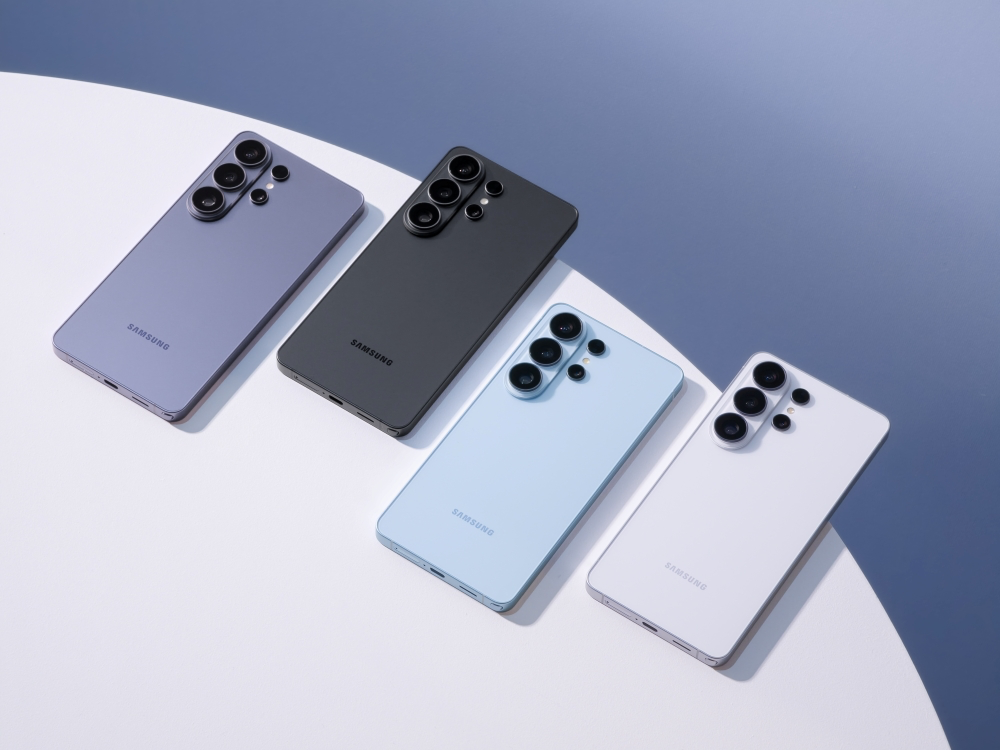
Samsung Holds the Top Spot — But the Smartphone Market Is Heading for Trouble
Samsung and Apple both posted growth in Q1 2026 while every other top-five vendor shrank. The AI-driven memory crisis is creating a structural divide between premium brands that can absorb rising costs and budget brands that cannot.

Samsung Galaxy S25 Ultra: Refinement at Its Absolute Peak
The most complete Android phone you can buy — even if it isn't the most exciting one. Best display, Snapdragon 8 Elite, and Galaxy AI define Samsung's 2025 flagship.
Apple MacBook Pro M4: The Laptop That Ran Out of Competition
The most capable laptop Apple has ever shipped — three chips, 128GB unified memory, 24-hour battery, Thunderbolt 5, and on-device AI that never leaves your device.