iPhone 18 Pro and Pro Max Are Here: A Camera That Earns Its Price, and a Storage Tax That Doesn't
Apple's variable-aperture camera is the real upgrade, but storage prices climb by as much as $500 at the top end.
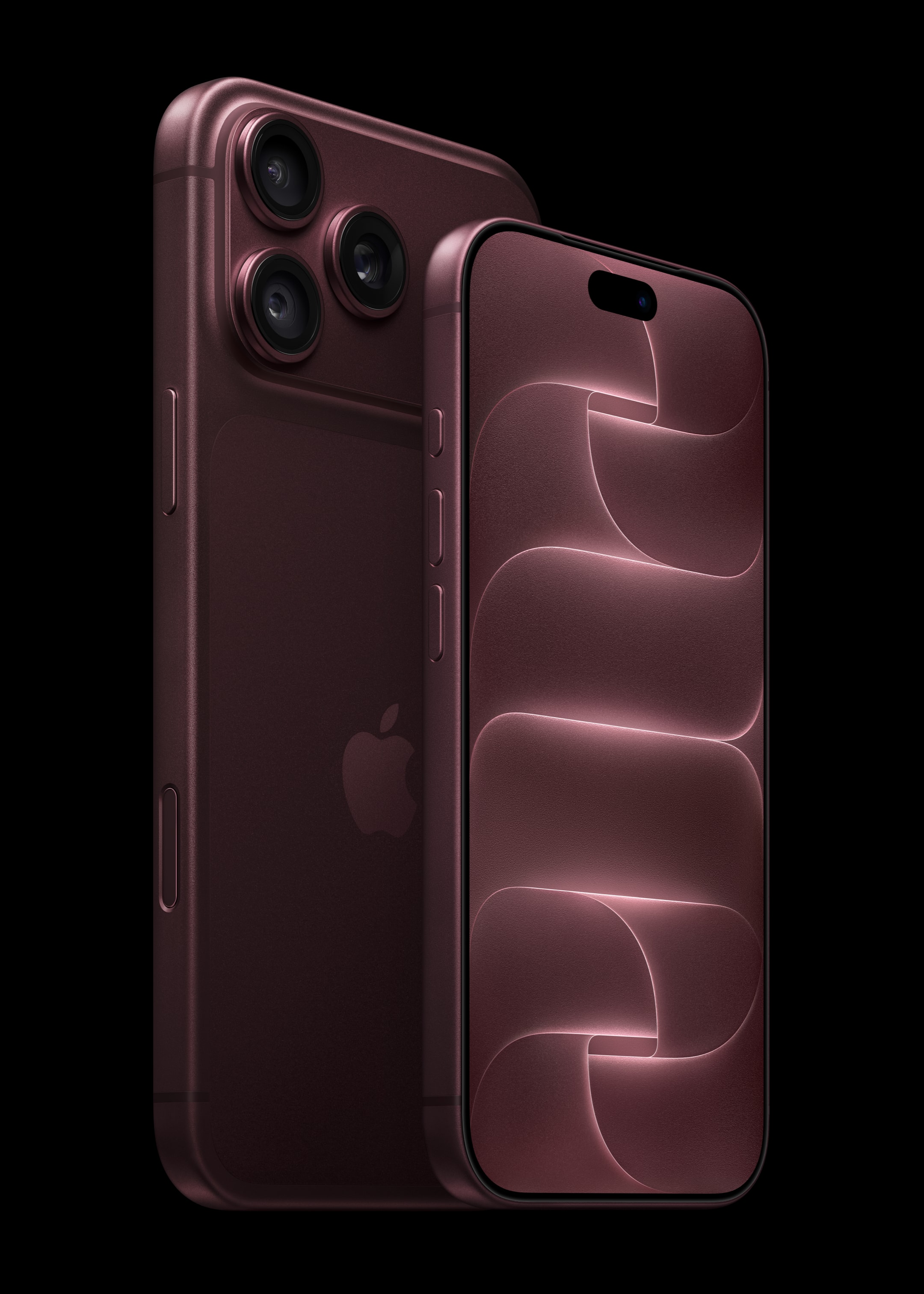
Apple's iPhone 18 Pro and iPhone 18 Pro Max went on sale Friday, September 18, arriving in stores and on doorsteps a week after pre-orders opened on September 12. It's the first half of a two-part launch: the foldable iPhone Duo, announced at the same September 9 event, doesn't ship until October 23.
That timing matters more than usual this year, because Apple is asking buyers to make a decision now about a phone they won't be able to hold for another five weeks. If you walked into a store this weekend, here's what you're actually choosing between, what reviewers found after a week with the phone, and the one part of the price story that most of the coverage skipped.
What it costs
The headline number everyone repeated is a $100 increase. The iPhone 18 Pro starts at $1,199 for 256GB, up from $1,099 for last year's iPhone 17 Pro. The Pro Max starts at $1,299, up from $1,199.
That's true at the entry tier. It stops being true almost immediately.
Compare those to last year and the picture changes. The 512GB tier is up $100, in line with the base. But a 1TB iPhone 17 Pro cost $1,499 last year, and a 1TB iPhone 18 Pro costs $1,799 — a $300 increase. At the top, the 2TB iPhone 17 Pro Max was $1,999; the 2TB iPhone 18 Pro Max is $2,499, a $500 jump, as MacRumors documented when pricing went live.
The steps between tiers now run $200, then $400, then $600. Which means the phone marketed as "$100 more" is $300 to $500 more for exactly the buyers Apple aims the Pro line at: people who shoot ProRes video and 48MP stills and fill a terabyte without trying.
Apple has been open about the cause, if not the size. Tim Cook told investors in June that price increases were "unavoidable" because of rising memory and storage costs, and on a later earnings call he described the situation in memory pricing as a "hundred-year flood." That's a real supply shock, not a story Apple invented — DRAM and NAND prices have climbed across the whole industry, and every phone maker is paying it. It's also worth noting that Apple's own in-house components, like the new C2 modem, cut costs in the other direction. Both things are true. What isn't in dispute is where the increase landed: on storage, and heaviest at the top.
The camera is the actual upgrade
Every year the Pro gets a camera bullet point. This year it gets a mechanism.
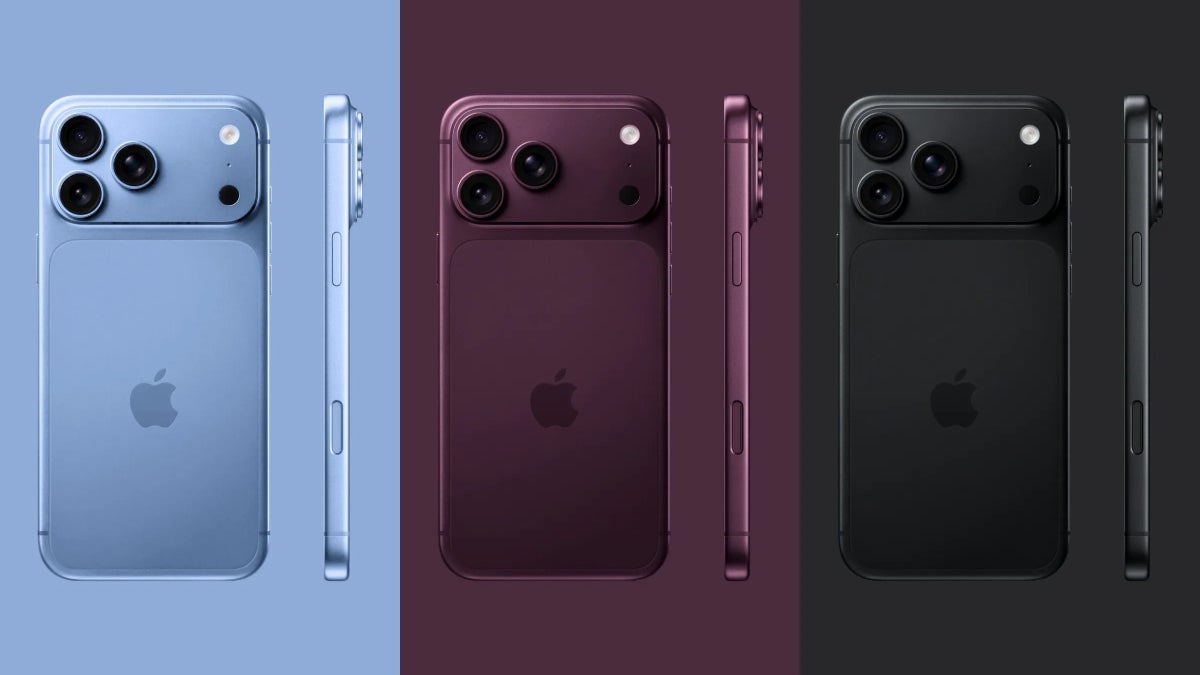
The 48MP Fusion Main camera has a variable aperture — the first time Apple has put one on the main lens of an iPhone. It physically opens and closes between f/1.48 and f/4.0, with four stops: f/1.48, f/1.8, f/2.8 and f/4.0. Apple's marketing pitch is that the phone picks the right one automatically: wide open at night to gather light, stopped down for a group shot so more faces stay sharp.
The more interesting part is that you can set it yourself. Reviewers who spent a week with the phone came back on the same point: this is the first iPhone camera that gives you real manual control over depth of field rather than a software approximation of it. Engadget's Cherlynn Low, who scored the phone 9/10, called the cameras "excellent, versatile" and singled out the manual aperture and shutter-speed controls as the reason. Tom's Guide found meaningfully better low-light results and more control over background blur, while noting the phone still trails Samsung's Galaxy S26 Ultra at extreme 40x zoom.
The rest of the system is strong and, importantly, unchanged in structure: a 48MP ultrawide at f/2.2 with a 120° field of view, and a 48MP telephoto at 100mm — a genuine 4x periscope, with what Apple describes as up to 8x optical-quality zoom and a 16x total optical-quality range.
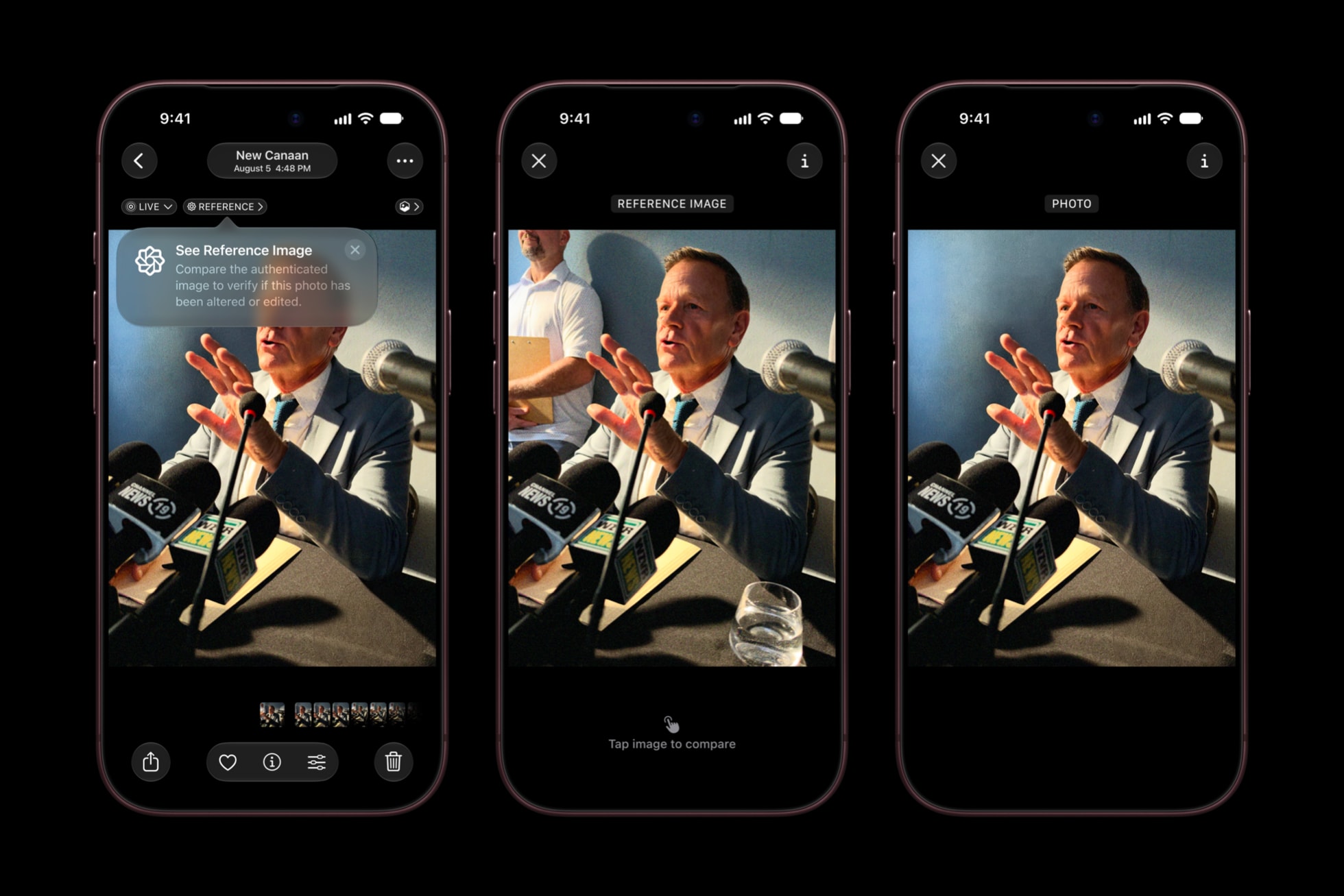
There's also a quieter feature worth more than it sounds: Apple Reference Image, which saves an unaltered version of what the sensor captured. In a year when any photo can be edited by AI in seconds, a verifiable original is a real tool, not a spec-sheet line.
Speed nobody asked for, and battery everyone did
The A20 Pro is a 2nm chip with a 6-core CPU — two performance cores and four efficiency cores — and a 7-core GPU with neural accelerators. Tom's Guide measured roughly 25% higher single-core performance than the iPhone 17 Pro and a graphics result of 62fps, about 33% faster than last year.
Nobody buys a phone because it scores 25% higher on a benchmark. What that headroom buys is a phone that still feels quick in year three, and it explains the new vapor chamber running through the chassis: sustained performance only matters if the phone can shed the heat. Reviewers say thermals are improved over the iPhone 17 Pro, though Engadget still found the phone running hot during heavy camera work.
Battery is the more meaningful upgrade. Apple rates the iPhone 18 Pro at up to 36 hours of video playback and the Pro Max at up to 45 hours. Independent testing backs the direction, if not those exact figures — Tom's Guide's battery test ran the Pro Max to 18 hours 41 minutes at its best and the Pro to about 16 hours 17 minutes, roughly an hour better than its predecessor. Engadget described "about a day and a half to two days" of ordinary use.
Charging is faster too: Apple says 50% in around 15 minutes with a 60W adapter, or 50% in 30 minutes over MagSafe.
The Siri question
The iPhone 18 Pro arrives five days after iOS 27, which finally shipped the personalized Siri Apple promised in 2024 — a promise that cost the company a $250 million settlement, still pending court approval, after it slipped by more than a year.
The good news for anyone buying this weekend: the iPhone 18 Pro and Pro Max sit in the top tier. Apple's own documentation lists the iPhone 18 Pro, 18 Pro Max, iPhone Duo, iPhone Air, and 17 Pro models as the devices that support every Siri AI feature, including the new expressive voices and the upgraded dictation. Those features require 12GB of memory, which is why they're limited to the newest hardware.
Two caveats. First, Siri AI is still labeled beta and rolling out in English only, with French, Japanese, Korean, Portuguese and Spanish due next month, and no availability yet in the EU or China. Second, access is gated behind a waitlist — you request it in Settings under Apple Intelligence, and wait. Reviewers have been blunt about the state of it: Engadget flagged comprehension gaps and mispronunciations in everyday use.
There's a longer-term wrinkle too. Apple's fine print says usage limits are coming to Siri AI, the smart photo-editing tools and Image Playground, and that expanded access "will be available for a fee in the future." No price, no date. In June, Apple's press release framed extra access as something included with most iCloud+ plans; by September the wording had shifted. Anyone buying a $1,199 phone partly for its AI should know the AI has a meter attached.
The complaints
They're real but minor. Both models are noticeably heavier than last year — 211g for the Pro, 249g for the Pro Max — and Tom's Guide listed weight and price as its two cons. Engadget noted heat under sustained camera use. And the aluminum unibody with Ceramic Shield 2 is a design refinement, not a reinvention; if you were hoping the Pro would look new, it doesn't.
Who should buy, and who should wait
Sources
Apple Newsroom and Apple's iPhone 18 Pro tech specs.
MacRumors reporting on pricing and storage tiers.
Tom's Guide iPhone 18 Pro and Pro Max review.
Engadget iPhone 18 Pro review.
MacObserver reporting on storage pricing and Apple Intelligence access.
Related Articles
iPhone 18 Pro: Everything We Know So Far
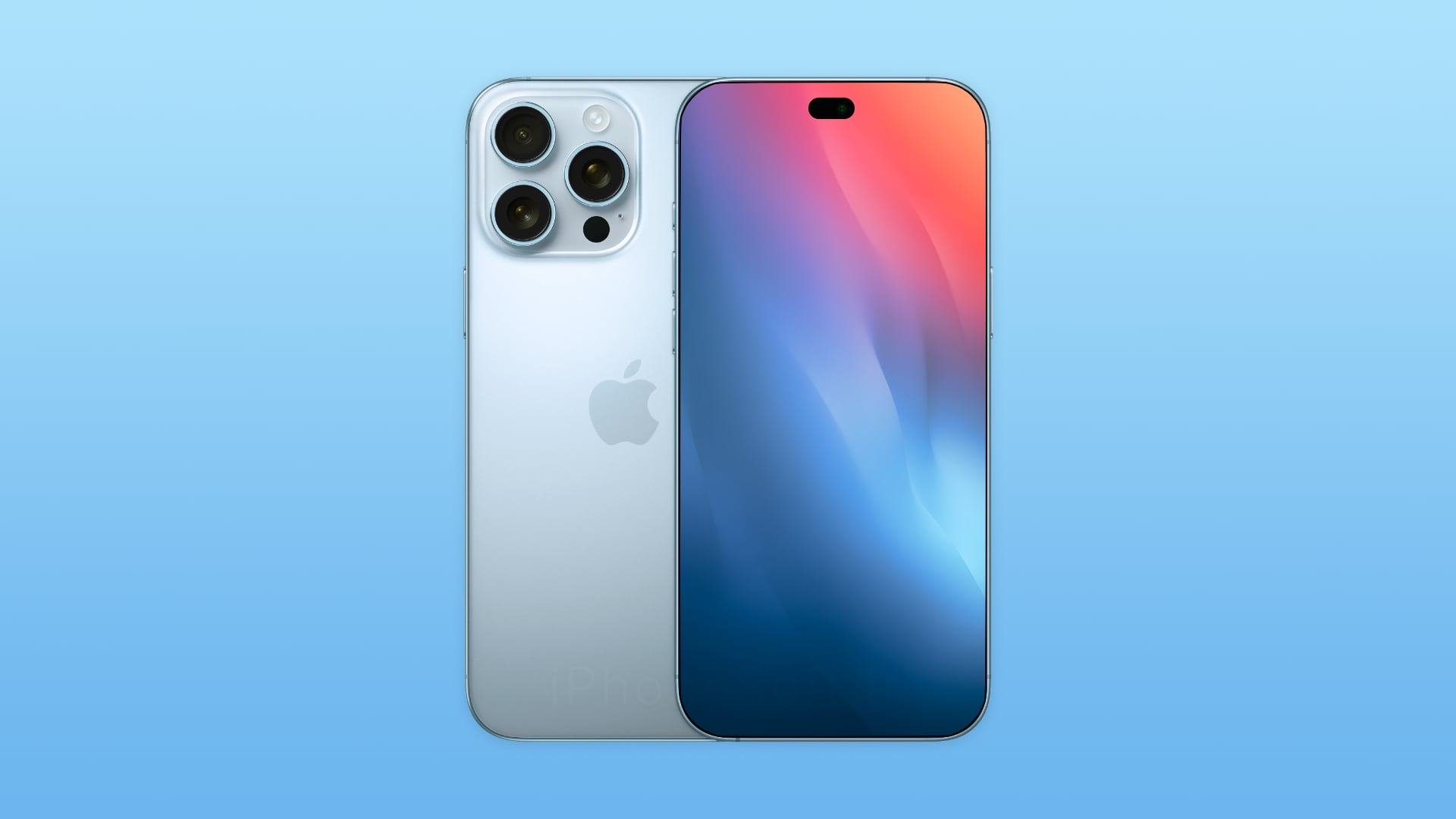
Variable aperture cameras, Apple's first 2nm chip, satellite internet, and a striking Dark Cherry colorway — here is everything confirmed and rumored about the iPhone 18 Pro ahead of its September 2026 launch.
10 Features Rumored for the iPhone 18 Pro — The Complete 2026 Leak Roundup
Apple hasn't said a word. But the leaks have. Here are the 10 biggest rumoured features for the iPhone 18 Pro — from the 2nm A20 Pro chip to a first-ever variable aperture camera and full satellite internet.

Apple Now Wants to Lease You an iPhone — Here's What That Really Means
Apple Upgrade replaces the iPhone Upgrade Program with a Klarna-backed lease covering iPhones, Macs, iPads, and Apple Watches. The monthly price looks small — until you realize you never own the device.
Oppo Find X9 Ultra Review: The Camera Phone That Changes the Game
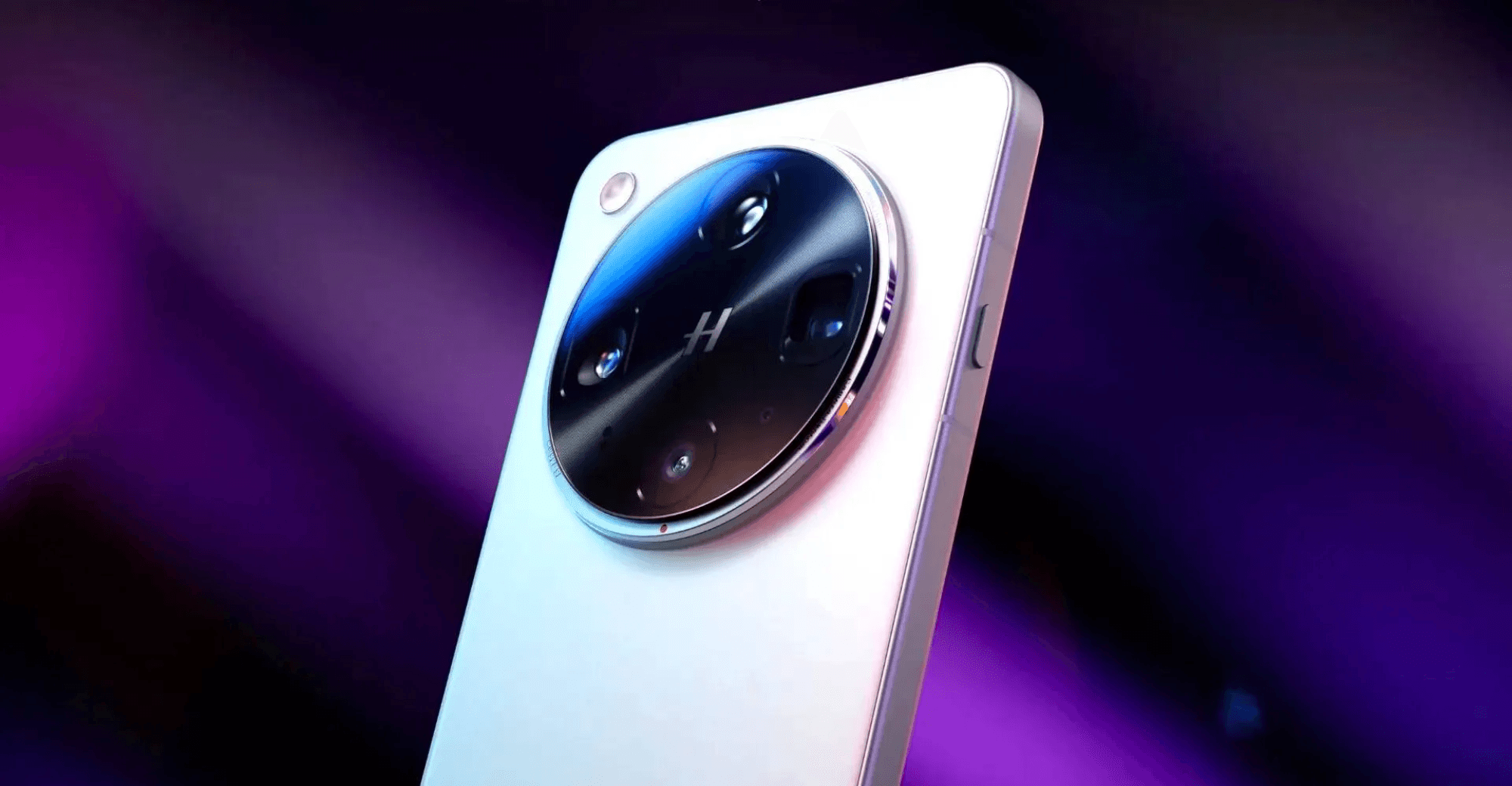
The Oppo Find X9 Ultra is the first of Oppo's Ultra-tier camera phones to launch outside China — and it arrives as arguably the greatest smartphone camera system ever made. Five Hasselblad co-developed lenses, two 200MP sensors, and a world-first 10× optical zoom.