iPhone 17 Pro & Pro Max: Five Months Later
The honeymoon's over. Here's what actually held up, what didn't, and whether you should still buy one.
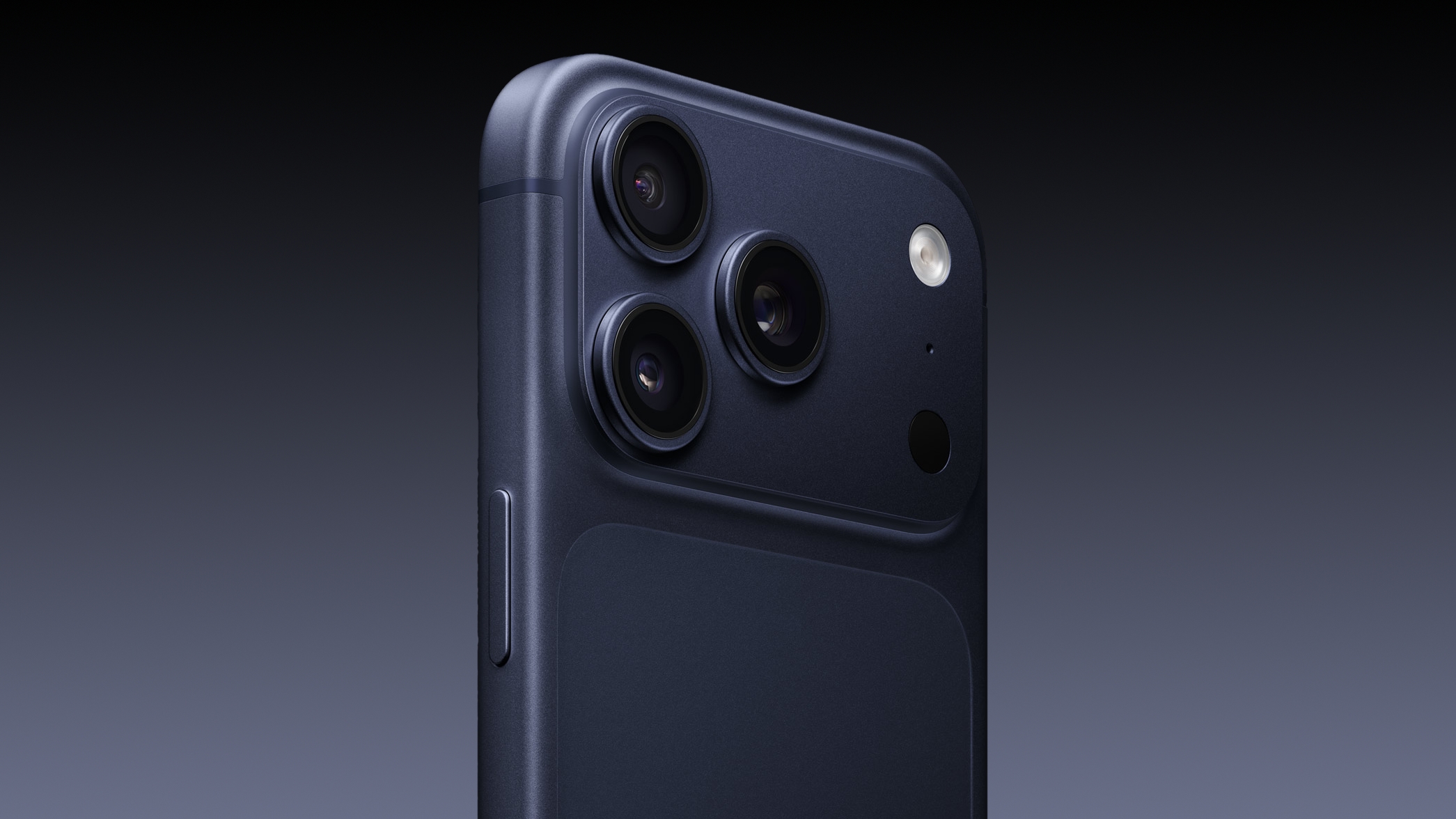
It's been five months since Apple dropped the iPhone 17 Pro and 17 Pro Max — and the world has mostly moved on. The hype cycle has cooled, the unboxing videos have been archived, and what we're left with is just a phone. Or rather, two phones that have to justify themselves in the unglamorous context of everyday life: crowded subway cars, low-lit birthday dinners, weekend hikes, and the 11pm "I forgot to charge it" panic.
We've been using both as daily drivers since launch day. Here's the honest, no-demo-mode, real-world verdict.
Quick Recap — What Apple Changed in 2025: Aluminum unibody chassis replacing titanium with better heat dispersion. Vapor chamber cooling built into the frame. Three 48MP cameras for the first time: Main, Ultra Wide, and new Telephoto. 8x optical-quality zoom via a 48MP telephoto sensor. 18MP Center Stage front camera with landscape selfie capability. A19 Pro chip with improved Neural Engine for Apple Intelligence. ProRes RAW, Apple Log 2, and genlock support for filmmakers. Ceramic Shield 2 on both front and back. Starts at $1,099 (Pro) and $1,199 (Pro Max) with 256GB base storage.
THE DESIGN, FIVE MONTHS ON
Here's something Apple got right that didn't get enough credit at launch: the aluminum unibody feels more cohesive than the titanium frame on the 16 Pro. Run your fingers across the back of the 17 Pro Max and it's genuinely difficult to find where the frame ends and the glass begins. After five months, that tactile uniformity hasn't worn off — it still feels considered, not just manufactured.
The plateau — the wide camera bar spanning nearly the full width of the phone's back — remains divisive. It's the single biggest reason you need a new case when upgrading, and it leaves a large portion of the back exposed if you're using Apple's own silicone cases. Functionally it doesn't bother us. Aesthetically, it's grown on us more than we expected. The Cosmic Orange colorway in particular is genuinely striking — a rarity for Apple, which tends to default to tastefully muted finishes.
As for durability: no case, five months of daily carry on the Pro Max, and no deep scratches on the aluminum that some online reviewers warned about early on. The Ceramic Shield 2 on the back appears to be holding up to Apple's claims. The front? Still pristine. We've dropped it twice — once onto tile — and the screen survived without a mark.
BATTERY LIFE — THE REAL STORY
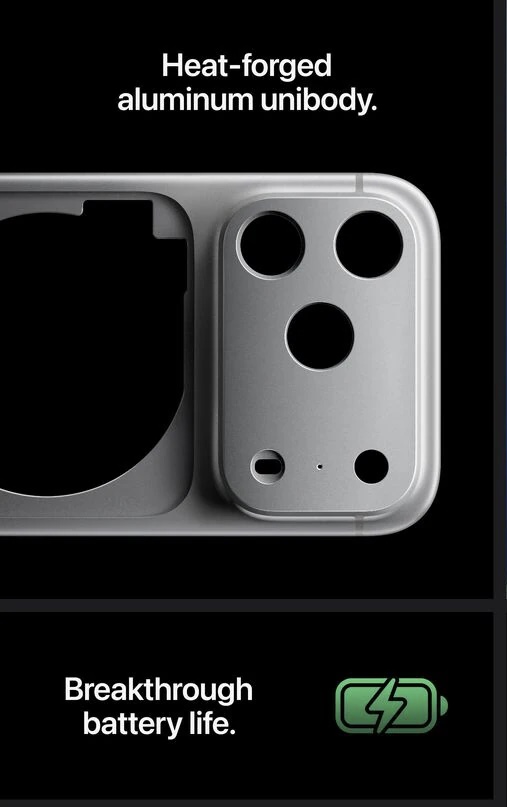
This is where the iPhone 17 Pro series genuinely changed things. Not just incrementally — meaningfully. After five months of daily use, battery life remains the single most-mentioned quality of both phones when people ask what it's actually like to live with them.
The battery capacity in the iPhone 17 Pro saw a 37% increase compared to the iPhone 13 Pro — and the real-world gains are tangible five months in.
On the Pro Max specifically: most days, we end the day above 30%. Heavy days — full conference days with constant email, maps, photography, and occasional video streaming — we hit around 15-20%. That's a phone that doesn't make you anxious. On the standard Pro, the margin is tighter, but we still haven't had a single day where we ran out of power before reaching a charger at night, even on days that would have killed a 16 Pro by late afternoon.
For reference: the Pro Max hit 70% charge in 30 minutes with Apple's 40W Dynamic Power Adapter. The Pro hit 61% in the same window. MagSafe wireless charging continues to work seamlessly with third-party stands. The reverse charging via USB-C — which lets you top up AirPods or an Apple Watch directly from the phone — has become a surprisingly useful habit.
After five months of daily charging (primarily overnight on a MagSafe stand, with occasional mid-day top-ups), battery health on our Pro Max sits at 97%. This is better than typical for this usage pattern, likely a result of iOS 26's optimized charging algorithm.
THE CAMERA — HYPE VS. REALITY
Camera systems are where phones make promises in press releases and break them in dark restaurants. So let's be honest about what the 17 Pro's camera system actually delivers five months in.
The short version: it's genuinely the best camera system Apple has ever shipped, and it holds up to repeated real-world use. The three 48MP sensors deliver a consistency across zoom ranges that previous iPhones couldn't match — you're no longer making a quality compromise when you switch from 1x to 4x to 8x. That consistency is the quiet revolution here, not any single spec.
The 8x zoom deserves nuance, though. In good light, shots at 8x are impressive — genuinely better than anything Apple has offered before. In low light, the 4x lens (which uses the center crop of the telephoto sensor) performs better, and Apple's camera app steers you there automatically most of the time. The 8x in poor conditions shows noise and some softness. It's still usable. It's not magic.
The 18MP Center Stage front camera is a genuine upgrade — selfies have more detail, the wider landscape orientation is useful for group shots, and the auto-framing during video calls works naturally without the jittery feel of earlier implementations.
HEAT & PERFORMANCE — DID THE VAPOR CHAMBER ACTUALLY WORK?
The iPhone 16 Pro's overheating was real, documented, and embarrassing for Apple. The 17 Pro's vapor chamber — laser-welded directly into the aluminum unibody to spread heat across the entire body — was Apple's answer. Five months later: it mostly worked.
During photography sessions, even long ones, both phones remain cool. Casual gaming, streaming, and daily productivity tasks produce no noticeable warmth at all. Where the vapor chamber solution shows its limits is in sustained, intense gaming — titles like Resident Evil 4 or Death Stranding will still warm the Pro Max during extended sessions. It's not the sharp, localized hot spot of the 16 Pro — heat is now evenly spread across the back — but it's still warm. For the 99% of users who aren't playing AAA console ports at maximum settings for 45 minutes at a time, this is a non-issue.
APPLE INTELLIGENCE — IS IT ACTUALLY USEFUL?
Five months ago, Apple Intelligence was a tentative promise. Five months later, it's become background infrastructure — the kind of feature you'd notice if it disappeared rather than one you consciously appreciate every day.
What we actually use daily: Writing Tools (rewriting emails and messages in tone), real-time voice transcription during meetings, Smart Reply in Mail, and Priority Notifications that surface what actually matters. What we don't use: Image Playground, most of the Siri visual intelligence features, and Genmoji — which remain impressive demos rather than daily habits.
The Neural Engine's on-device processing means none of your content leaves the phone for most tasks. That privacy architecture matters more than it sounds — particularly for professional users who deal with sensitive communications.
17 PRO VS. 17 PRO MAX — WHICH ONE TO GET?
The camera specs are identical. The chip is identical. The only meaningful differences are screen size, battery capacity, max storage (1TB vs. 2TB), and weight. The Pro is the right pick if pocketability matters — the 6.3-inch form factor is genuinely manageable one-handed and saves you $100 at every tier. The Pro Max is the pick if battery is non-negotiable — the extra battery headroom and the larger canvas for editing and reading are legitimately transformative, and the 2TB option is unmatched for high-volume video shooters.
THE BOTTOM LINE — FIVE MONTHS LATER
The iPhone 17 Pro and 17 Pro Max are the best iPhones Apple has shipped — and five months of daily use has done nothing to complicate that. The battery life is legitimately transformative, the camera system delivers on its launch promises in real-world use, and the vapor chamber has largely solved the overheating complaints of the 16 Pro. The aluminum unibody design has held up beautifully, and Ceramic Shield 2 appears to be earning its claim. If you're coming from an iPhone 14 Pro or older, this is the most compelling upgrade in years. If you're on a 16 Pro, the honest answer is that you're fine — but you'd notice the battery upgrade the moment you started using it.
Related Articles
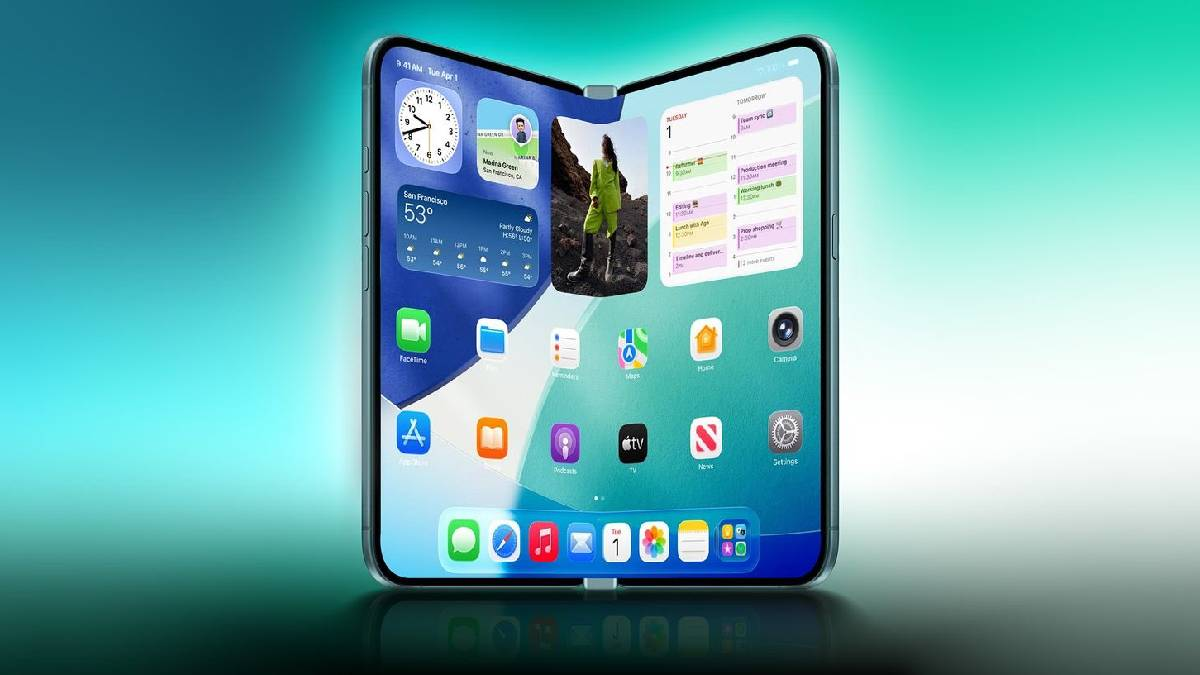
Apple Quietly Fixed the iPhone Fold's Biggest Problem — And It's Still Coming in September
A new supply chain report says Apple has resolved most of the iPhone Fold's hinge issues and is moving into mass production this month — keeping the September launch alive after months of conflicting rumours.
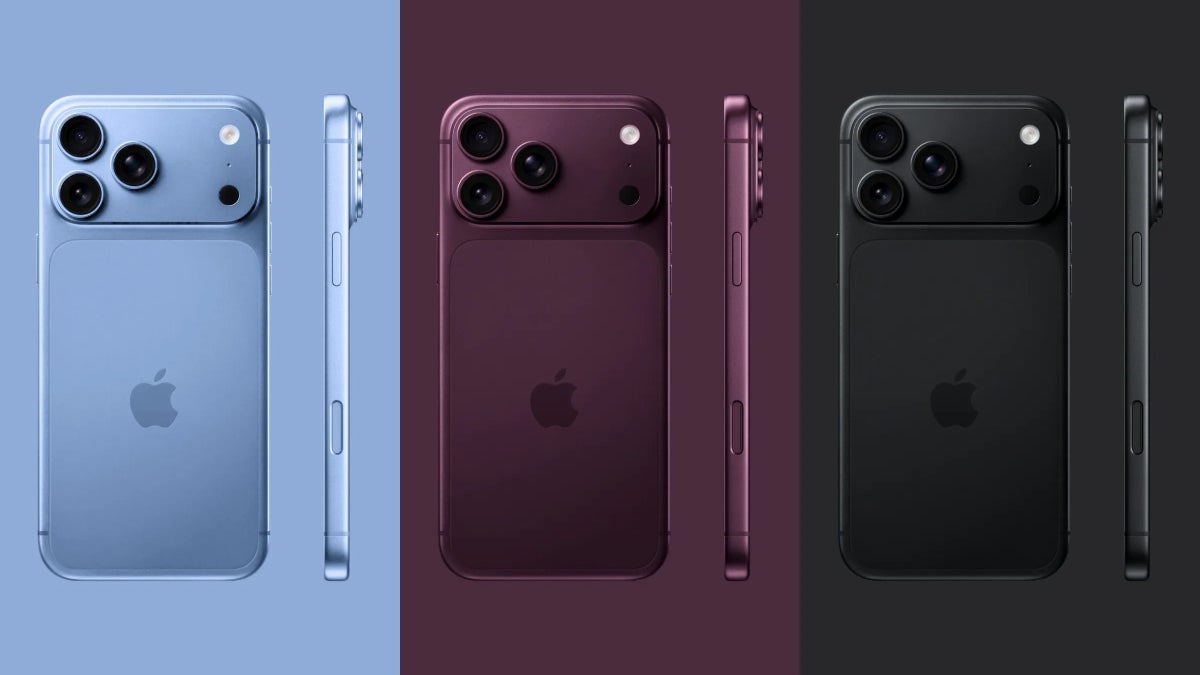
iPhone 18 Pro: Everything We Know So Far
Variable aperture cameras, Apple's first 2nm chip, satellite internet, and a striking Dark Cherry colorway — here is everything confirmed and rumored about the iPhone 18 Pro ahead of its September 2026 launch.

Apple's iPhone 18 Pro Colors Are Leaking — And Dark Cherry Is Stealing the Show
Leaked case images, dummy units, and supply chain sources reveal the iPhone 18 Pro's 2026 color lineup — Dark Cherry, Light Blue, Dark Gray, and Silver. Here's what we know.
10 Features Rumored for the iPhone 18 Pro — The Complete 2026 Leak Roundup
Apple hasn't said a word. But the leaks have. Here are the 10 biggest rumoured features for the iPhone 18 Pro — from the 2nm A20 Pro chip to a first-ever variable aperture camera and full satellite internet.