Samsung Holds the Top Spot — But the Smartphone Market Is Heading for Trouble
Samsung and Apple grew in Q1 2026 while every other top-five vendor shrank. The memory crisis reshaping the industry explains why
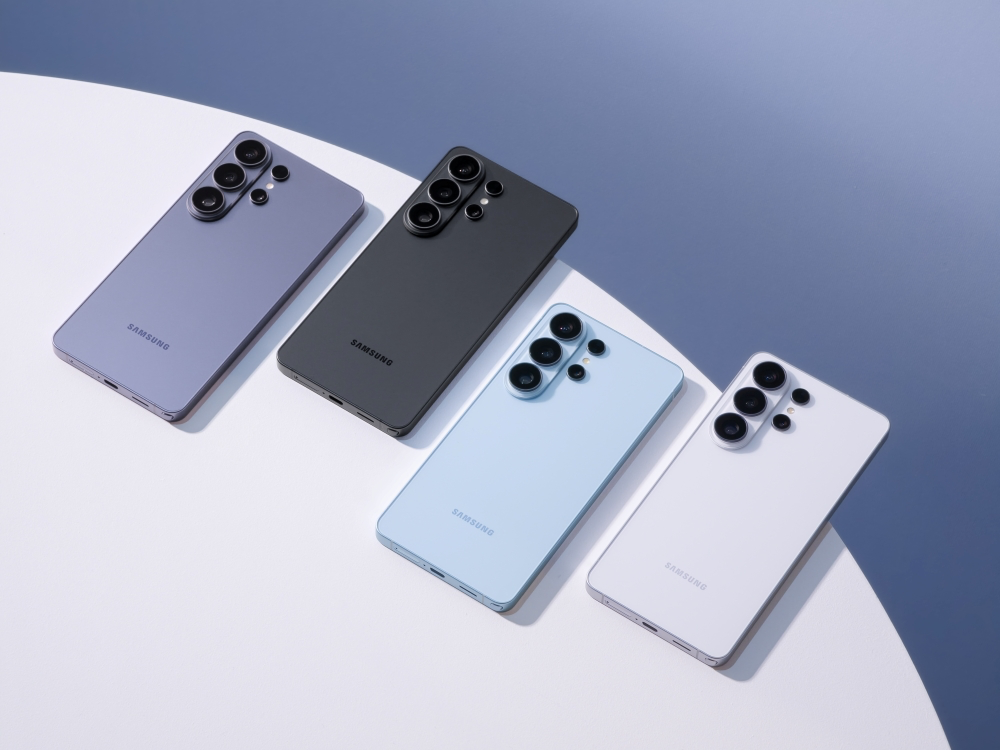
The global smartphone market told two very different stories in Q1 2026. At the top, Samsung and Apple posted growth, held firm on premium pricing, and widened their lead over the competition. Everywhere else, the picture looked considerably darker. Shipments are declining, component costs are rising, and brands built on affordable hardware are starting to feel the squeeze. The market's new dividing line is not Android versus iPhone. It is premium versus everyone else.
Samsung Reclaims the Crown
Samsung retained its position as the world's leading smartphone vendor in Q1 2026, shipping 65.4 million units — up 8% year-on-year, reflecting resilience across both ends of its portfolio. Entry-level A-series volume anchored emerging-market shipments, while strong demand for the Galaxy S26 series drove premium growth.
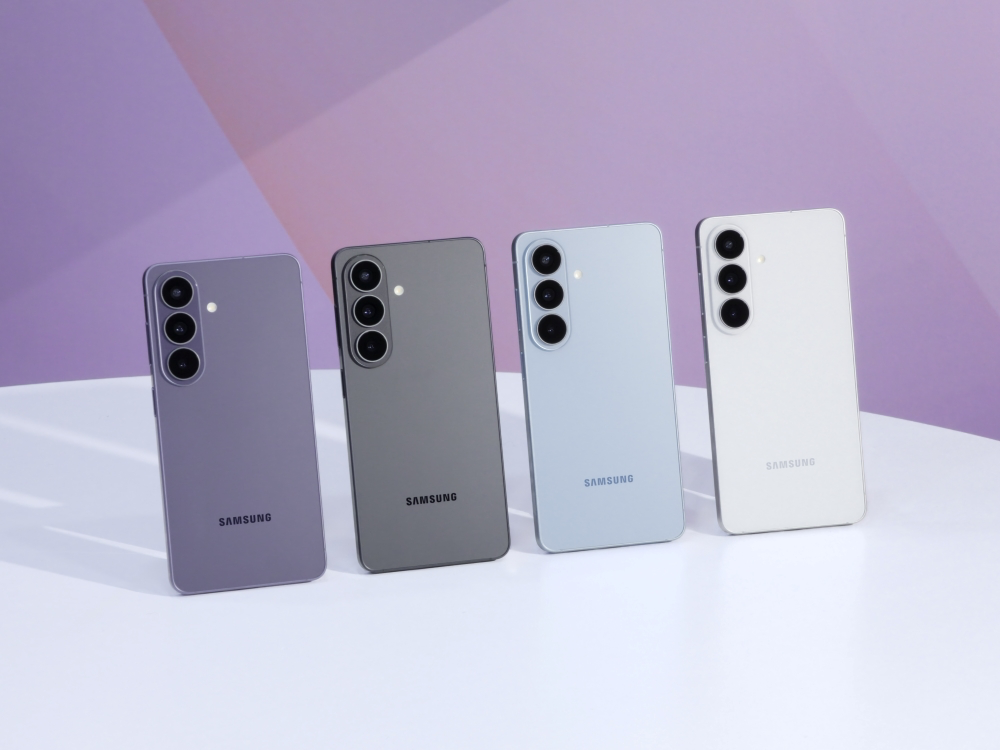
Samsung reclaimed the top position primarily due to strong demand for the Galaxy S26 Ultra. After briefly losing the top spot to Apple in Q4 2025, the return to number one will be a welcome result in Seoul. The Ultra tier has become Samsung's most reliable growth engine, commanding premium prices at a time when the broader market is under pressure.
Samsung accounted for 22% of shipments compared to Apple's 20% share, with both companies posting year-on-year growth of 8% and 10% respectively. Those two figures stand in stark contrast to every other top-five vendor — all of which recorded declines.
Apple Not Far Behind
Apple shipped 60.4 million units in Q1, up 10% year-on-year. The iPhone 17 series remained the primary growth driver, with the newly launched iPhone 17e delivering a particularly strong debut in telco-driven markets such as the European Union and Japan. The iPhone 17 Pro and Pro Max outperformed their predecessors at launch, with mainland China recording an especially strong result — up 42% year-on-year.
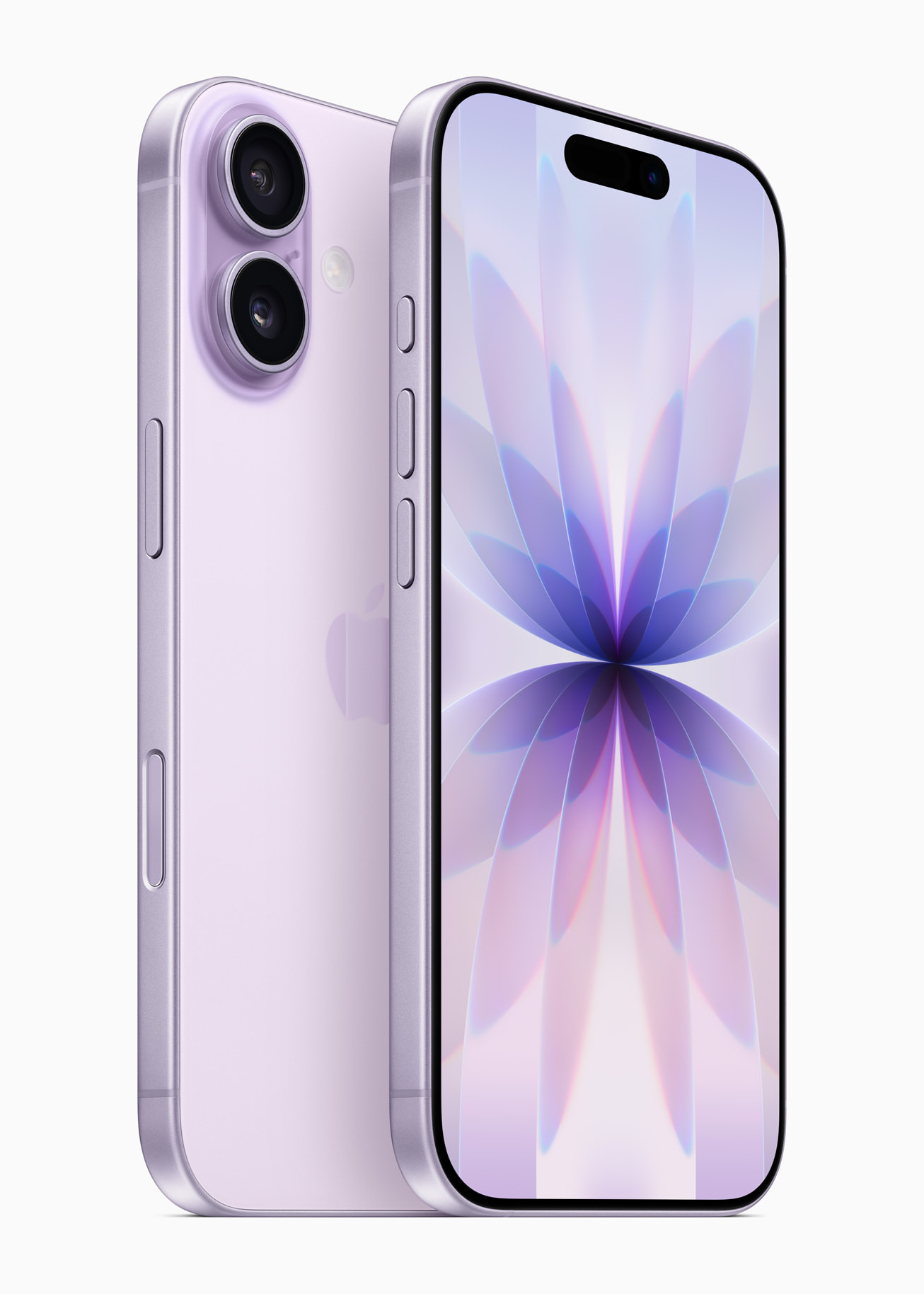
That China number is significant. For a market where Apple has faced years of intensifying competition from local brands, a 42% surge suggests the iPhone 17 Pro's premium positioning landed harder than expected. It is also a signal of the broader trend: Chinese consumers, like buyers everywhere, are either extending their upgrade cycles or concentrating their budgets at the high end.
The Memory Crisis Is Reshaping the Market
To understand why Samsung and Apple are growing while everyone else is shrinking, you need to understand what is happening to memory chip prices.
The smartphone market has entered one of its most challenging periods, driven by acute memory supply constraints that are directly impacting both shipments and demand. Limited memory availability is forcing shipment reductions, while sharply higher memory prices are pushing up bill-of-materials costs and forcing price hikes by many top brands.
The AI boom has created an insatiable appetite for high-bandwidth memory across data centres and edge devices. That demand has driven up DRAM and NAND flash prices industry-wide — and smartphone manufacturers, who rely on the same supply chains, are absorbing the cost. The difference is that premium brands can pass those costs on to buyers who are already spending over $1,000. Budget brands cannot.
Xiaomi's Painful Quarter
Xiaomi ranked third in Q1 but saw a massive 19% decline in shipments — the steepest drop among the top five vendors. The slide was attributed to the fact that over half of its shipments were sub-$200 devices, making it disproportionately exposed to skyrocketing component prices.
Xiaomi strategically reduced shipments of older models to avoid large-scale price hikes — a deliberate choice, but a painful one. Flooding the market with suddenly unprofitable low-end devices is not a viable strategy when margins are already thin. Pulling back protects profitability but sacrifices volume, and Xiaomi is paying that price now.
Despite a 19% drop in shipments year-on-year, Xiaomi managed to capture an 11% market share, shipping 33.8 million smartphones in Q1 2026. That number puts the scale of the decline in perspective — 33.8 million phones in a single quarter is still an enormous number. But the direction of travel is the concern. If memory prices stay elevated and budget buyers defer purchases, Xiaomi's core market shrinks further.
The question for Xiaomi's leadership is whether the brand can execute a credible move upmarket fast enough to offset the erosion at the bottom. The Xiaomi 17 series suggests the ambition is there. Whether buyers follow is another matter.
The Rest of the Top Five
Fourth-placed OPPO — which includes OnePlus and Realme in its figures — was just a percentage point behind Xiaomi in market share but saw a 6% yearly decline. Vivo ranked fifth and saw shipments dip 7% year-on-year.
OPPO saw stronger performance in China than in international markets, helping offset a larger global decline, while Vivo also faced intense pressure in the low-end segment. Both brands are caught in the same structural trap as Xiaomi — strong in the segments now under the most pressure, and fighting to move upmarket against more established premium names.
The Surprise: HONOR
If there is a bright spot outside the Samsung-Apple duopoly, it is HONOR.
HONOR was the fastest-growing vendor in the top ten, shipping 19.2 million units — up 19% year-on-year. Growth was driven by strong international momentum, with HONOR more than doubling its shipment volume in the Middle East and Africa. In its domestic mainland China market, however, HONOR declined amid intensifying competitive pressures.
“HONOR's international expansion is a genuinely interesting story. The brand has built momentum in markets where neither Samsung nor Apple has historically dominated — and the 19% growth rate stands out sharply against a backdrop of broad declines.”
What Comes Next
The consensus across analysts is that the second half of 2026 will be harder than the first.
IDC forecasts a 13% year-over-year decline in global shipments for the full year 2026, equating to a drop of approximately 160 million units to around 1.1 billion. Key pressures include rising component costs, high energy prices, and geopolitical uncertainty.
The smartphone market has entered a period that will be defined by significant disruption and structural change. Supply-side pressures, particularly across DRAM and storage, have intensified over the past nine months and will remain a critical factor shaping market dynamics over at least the next two years.
The implications are significant. Brands built on volume at the low end face a prolonged period of margin pressure and shrinking addressable markets. Brands built on premium hardware and loyal ecosystems — Samsung and Apple — are structurally better positioned to ride it out.
The Bigger Picture
What Q1 2026 reveals is not just a rough quarter for some brands. It is the early stages of a structural shift in how the smartphone market is organised. The era of competing primarily on price is giving way to an era where software ecosystems, AI integration, and premium hardware command the kind of loyalty that insulates brands from commodity cost pressures.
Samsung and Apple have spent years building exactly those moats. Xiaomi, OPPO, and vivo are now racing to build theirs — while the market they built their businesses on gets harder by the month.
The brands that navigate this transition successfully will look very different in 2028 from how they look today. The ones that do not may not make it through in their current form at all.
Related Articles
Samsung Galaxy Unpacked 2026: Everything We Know About the S26 Launch on February 25
Samsung just made it official: the first Galaxy Unpacked event of 2026 is happening on February 25 in San Francisco, and the Galaxy S26 lineup is ready to make its debut.
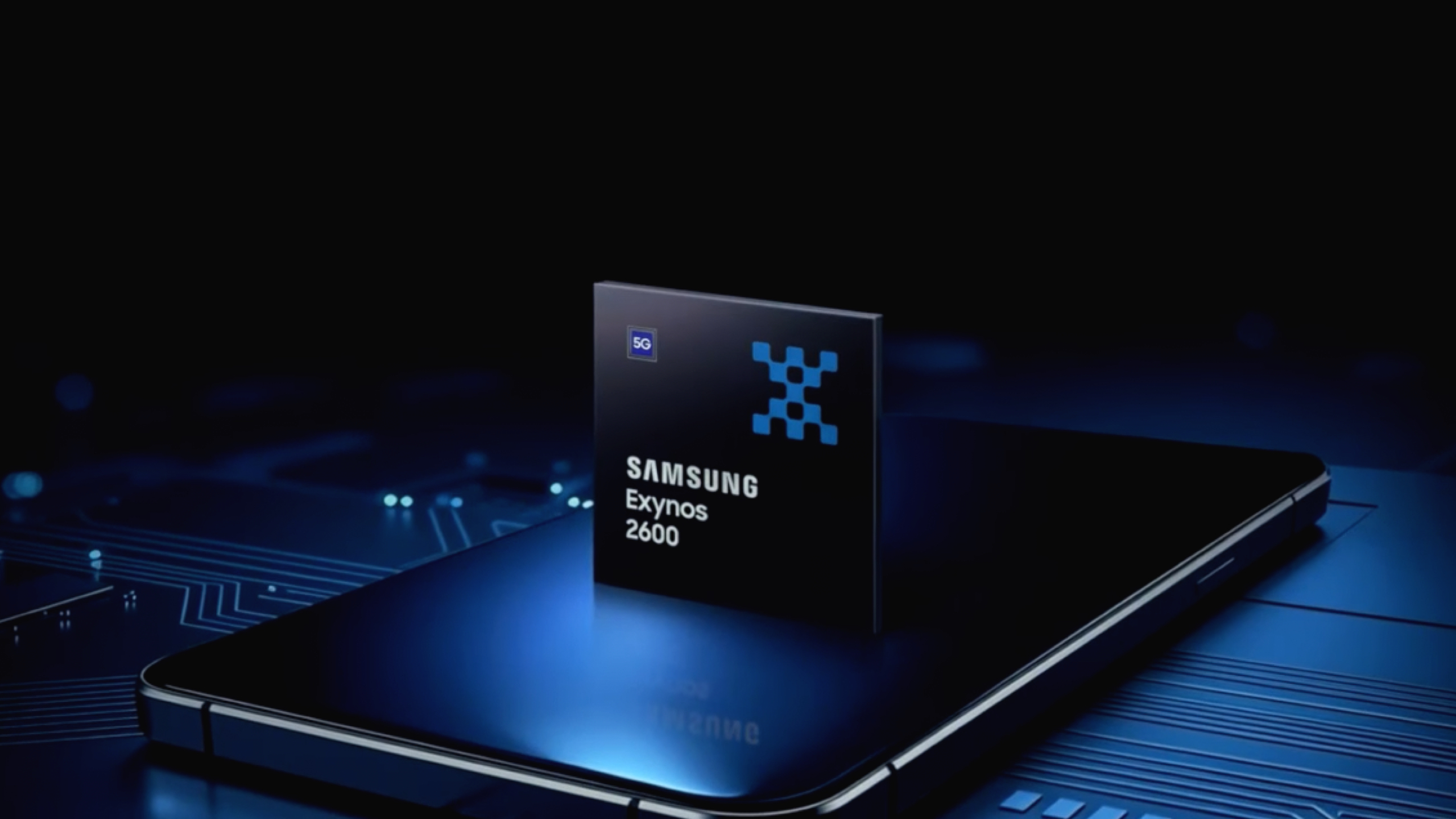
Galaxy S26 Chip Lottery: Europe Gets Exynos 2600, US Gets Snapdragon — Does It Matter?
Samsung's dual-chip strategy returns for the Galaxy S26. The Exynos 2600 is the world's first 2nm processor, but Snapdragon still leads in single-core by 15%. Does it matter?

Samsung Galaxy Tab A11+: Galaxy S Design for the Rest of Us
Samsung has deliberately pulled its Galaxy S series design language into the mid-range tablet space — and the result is a $249 tablet that looks and feels far more expensive than it is.

The Best Samsung Phones You Can Buy Today
Samsung’s current lineup is as strong as it has ever been. The phones on sale right now are not stopgaps — they are genuinely excellent devices, available today, often at their lowest prices of the year.