The Crease is Dying — Apple's Foldable Future Comes Into Focus
Samsung Display's vanishing CES booth revealed crease-free foldable technology destined for both the Galaxy Z Fold 8 and Apple's first foldable iPhone
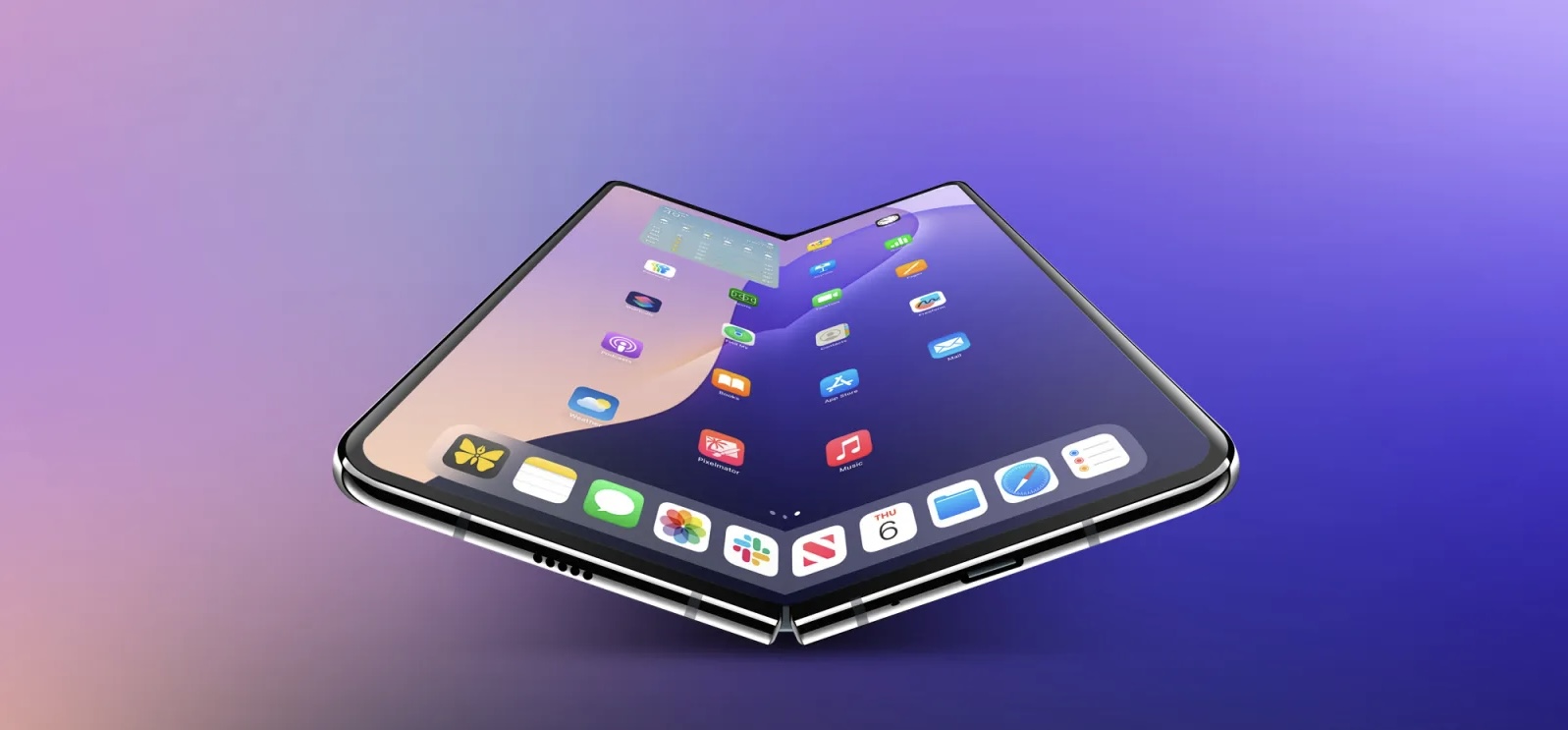
CES 2026 has delivered its most intriguing moment — not from a sprawling keynote stage, but from a small, short-lived booth that Samsung Display quietly dismantled before most attendees even knew it existed. What it showed in those brief hours, however, may be the clearest signal yet that the foldable phone's most frustrating flaw is finally being solved.
The Booth That Vanished
Samsung Display set up a direct comparison at CES: its new crease-free foldable OLED panel placed side by side against the display in the current Galaxy Z Fold 7. According to SamMobile, which viewed the demonstration before Samsung abruptly removed it, the difference was unmistakable — the new panel showed no visible crease at all.
Why did the booth disappear so quickly? Samsung offered no official explanation. But given the technology's close ties to Apple's upcoming foldable device — and Apple's famously tight secrecy — the discretion feels less like an accident and more like a course correction.
Why the Crease Has Always Mattered
To appreciate how significant this is, it helps to understand why the crease has been such a persistent problem. Every foldable phone ever made has had one. Samsung has made impressive strides — the fold line on the Galaxy Z Fold 7 is far less noticeable than on earlier generations — but it remains visible from certain angles, especially when light hits the screen just right.
That crease has been the Achilles' heel of the entire foldable category. No matter how impressive the hardware, it serves as a constant, nagging reminder of the fundamental compromise at the heart of every folding phone. For many would-be buyers, it's been reason enough to hold off entirely.
The Technology Behind the Breakthrough
Samsung Display's new panel — destined first for the Galaxy Z Fold 8 — promises seamless, crease-free text from any viewing angle. The key innovation is a laser-drilled metal display plate that fundamentally changes how the screen handles the mechanical stress of repeated folding and unfolding.
Rather than allowing stress to concentrate along the fold line — which is what causes the crease — the perforated plate disperses it across a wider area, letting the display flex without leaving a permanent mark. The component is manufactured by South Korean company Fine M-Tec, and according to supply chain analyst Ming-Chi Kuo, both Samsung's Galaxy Z Fold 8 and Apple's foldable iPhone will use it.
Apple's Custom Approach
Sharing the same foundational component doesn't mean Apple and Samsung are building the same display. Apple has reportedly designed its own panel structure, lamination method, and material processes specifically for the foldable iPhone — meaning meaningful differences will exist between the two implementations, even though they share the same stress-dispersing core.
This is Apple's signature move: take a supplier's best technology, then demand something better. It's widely believed that Apple's exacting quality standards are what pushed Samsung to develop crease-free technology in the first place — a rising tide that lifts Samsung's own boats in the process.
Two Very Different Visions of a Foldable Phone
Beyond the display technology, Apple and Samsung appear to be designing fundamentally different devices — particularly in form factor and purpose.
Samsung's Galaxy Z Fold series has a 6.5-inch closed display that opens to 8.0 inches with a near-square 20:18 aspect ratio — essentially a phone that becomes a tablet. Apple's foldable iPhone, by contrast, is rumored to feature a 5.3–5.5 inch closed display opening to 7.5–7.8 inches with a 4:3 aspect ratio — closely mirroring the iPad's proportions.
That 4:3 aspect ratio is a telling detail. It suggests Apple views the foldable iPhone less as a larger phone and more as a pocketable tablet — a meaningfully different product vision than Samsung's.
A Familiar Apple Playbook
Apple entering a product category late — but demanding standards so high that it forces the entire industry to advance — is a well-worn story. Retina displays raised the bar for pixel density across the entire smartphone industry. Face ID pushed 3D sensing technology into the mainstream years ahead of schedule. The A-series chips forced mobile processor innovation that eventually benefited Android devices too.
The crease-free foldable display appears to be the next chapter. Apple's requirements have helped bring the technology to market — and Samsung's own Galaxy Z Fold 8 customers will reap those rewards alongside whoever buys the first foldable iPhone.
What Comes Next
The Galaxy Z Fold 8 is expected to launch in summer 2026 on Samsung's traditional schedule. It will be our first real-world test of the crease-free technology — and a preview of what Apple's implementation may feel like several months later.
Apple's foldable iPhone is expected to enter mass production in 2026, with an announcement aligned with Apple's typical fall iPhone event around September 2026. By then, the display technology will be battle-tested, real-world durability questions will be partially answered, and the competitive pressure from Samsung will be in full view.
If the crease-free technology proves durable and reliable, expect it to cascade across the broader foldable market — from mid-range Samsung devices to competitors across the Android ecosystem.
The Bottom Line
The foldable phone has always been a compelling idea held back by a single, nagging compromise. A crease you can't stop seeing. Technology that asks you to pay a premium for a device that reminds you, every time you look at it, that it's not quite finished.
Samsung's fleeting CES showcase suggests that compromise may finally be behind us. And if Apple's involvement has genuinely accelerated the timeline — demanding quality that Samsung's own engineers then had to figure out how to build — then the entire foldable category owes Apple a quiet debt, regardless of which phone you end up buying.
The foldable future is arriving. And for the first time, it looks like it might arrive without any visible seams.
Related Articles
Apple Quietly Fixed the iPhone Fold's Biggest Problem — And It's Still Coming in September
A new supply chain report says Apple has resolved most of the iPhone Fold's hinge issues and is moving into mass production this month — keeping the September launch alive after months of conflicting rumours.
iPhone 17 Pro & Pro Max: Five Months Later
The honeymoon's over. We've put Apple's 2025 flagship phones through real life — five months of commutes, concerts, dark restaurants, and dead battery anxiety. Here's what actually held up.
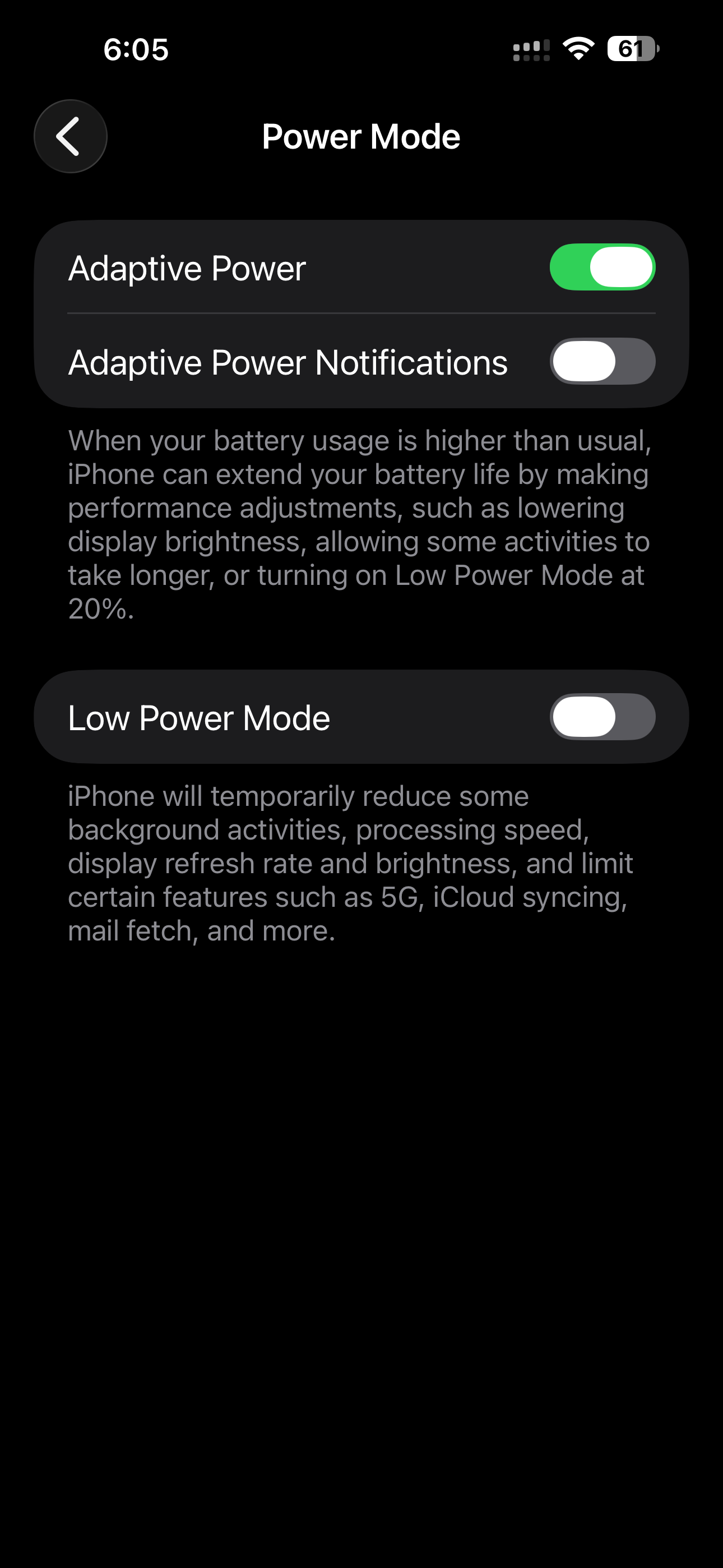
The iPhone Setting You Didn't Know Was Saving Your Battery
Apple quietly tucked one of iOS's most powerful new features inside a settings menu most people never open. It's called Adaptive Power Mode — and it's saving your battery life without you knowing.
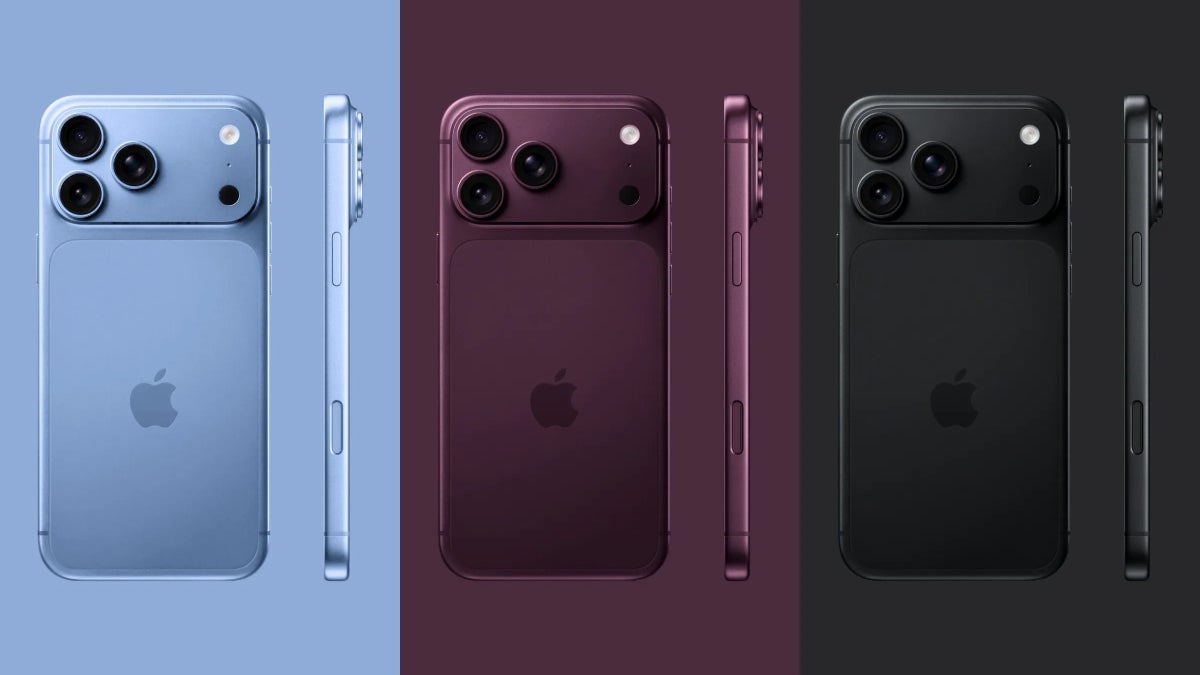
iPhone 18 Pro: Everything We Know So Far
Variable aperture cameras, Apple's first 2nm chip, satellite internet, and a striking Dark Cherry colorway — here is everything confirmed and rumored about the iPhone 18 Pro ahead of its September 2026 launch.