MacBook Neo Review: The Laptop That Changes Everything
Apple built a $599 laptop that outperforms flagships from two years ago — and it might be the most important thing the company has made in years

Apple has a habit of making great products at premium prices. What it has almost never done is make a great product at a price most people can comfortably afford. The MacBook Neo — announced on March 4, 2026 and on sale a week later — changes that. Starting at $599 ($499 for students and educators), it is the cheapest laptop Apple has ever sold. And it might be the most important thing the company has built in years.
We spent several weeks with the MacBook Neo across a range of tasks — writing, video editing, streaming, and everything in between. Here is our full verdict.
Design & Build
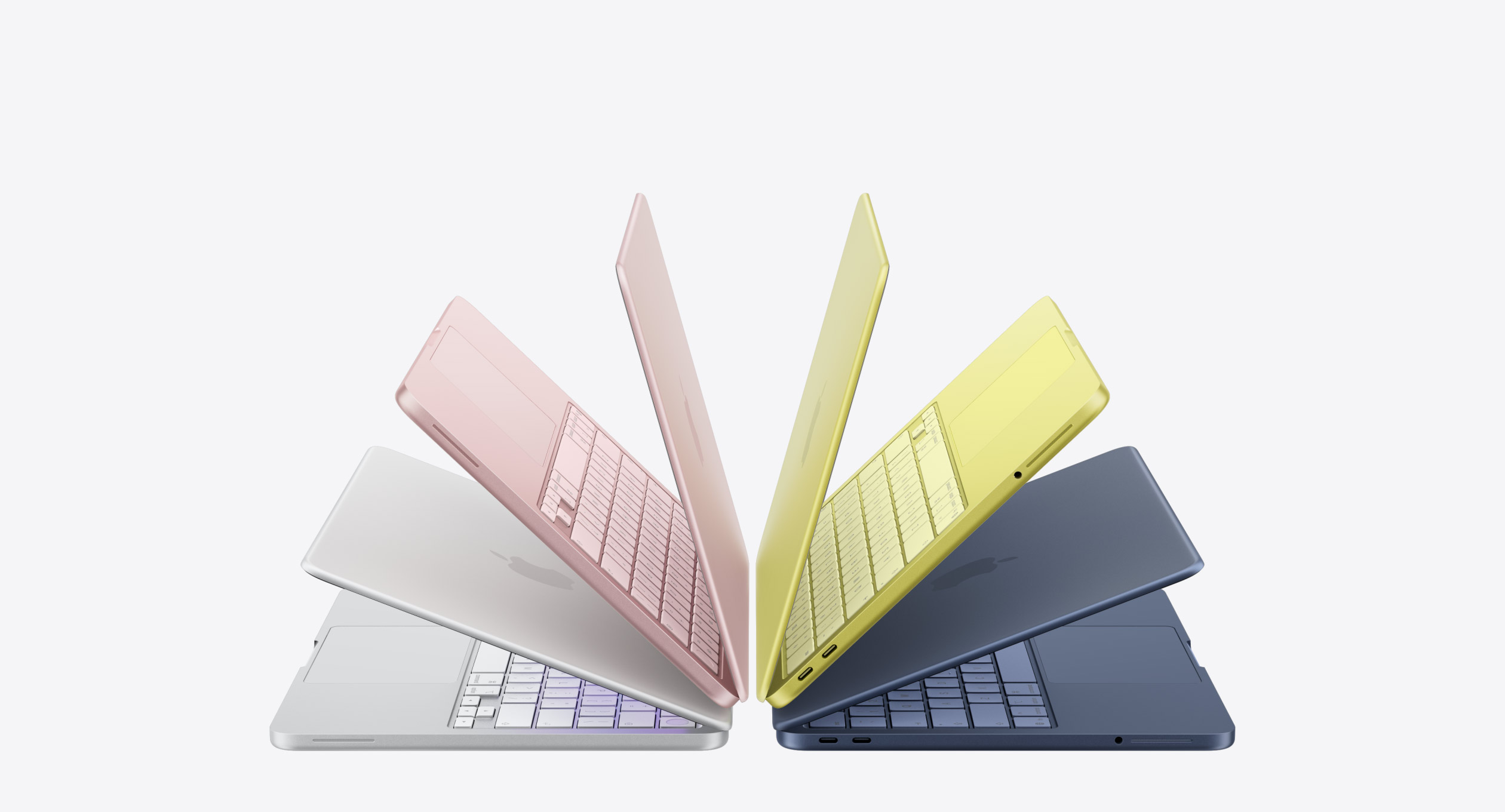
The first thing you notice is that the MacBook Neo does not look like a budget laptop. Apple built it from recycled aluminum in four colors — Silver, Blush, Citrus, and Indigo — with the keyboard and feet color-matched to the chassis. The Citrus and Indigo options are genuinely striking in person. This is the most colorful MacBook lineup Apple has ever shipped.
The build quality sets the Neo apart immediately from everything else at this price. Competitors in the $599 range are almost universally plastic, flex under pressure, and feel fragile. The Neo feels like a $1,200 laptop. The hinge opens smoothly with one hand, the lid has no flex, and the keyboard has a satisfying, precise travel.
One notable achievement: iFixit found the MacBook Neo to be Apple's most repairable laptop in 14 years. The battery tray is screwed down rather than glued. The keyboard is modular. Ports and speakers can be individually replaced. In an era of throwaway electronics, that matters.

There are trade-offs. The base model lacks a backlit keyboard — you will need the $699 configuration to get Touch ID and backlighting. There is no MagSafe, a first since 2020. And while there are two USB-C ports and a headphone jack, only the left port is USB 3 — the right is USB 2 only. Most users will not notice these cuts, but they are worth knowing before you buy.
Display
The 13-inch Liquid Retina display runs at 2408 × 1506 resolution with 500 nits of peak brightness and support for one billion colors. In everyday use it looks great — photos pop, text is crisp, and videos look smooth. For the price, it competes favorably with displays on laptops costing twice as much.
What it lacks: it is not a P3 wide color panel, and there is no True Tone adaptive color temperature. If you are a professional color grader, those omissions will matter. For everyone else, they almost certainly will not. Reviewers who tested the Neo without being told about the missing P3 support reported they would not have noticed on their own.
Performance
This is where the MacBook Neo genuinely surprises. Apple built it around the A18 Pro chip — the same silicon found in the iPhone 16 Pro — rather than one of its M-series Mac chips. The performance implications are remarkable.
Geekbench 6 results show 3,461 points in single-core and 8,668 in multi-core. To put that in context, the Neo delivers nearly twice the CPU performance of an M1 MacBook Air. Its single-core score matches AMD's Ryzen 9 9950X3D — a flagship desktop processor. From a $599 laptop.

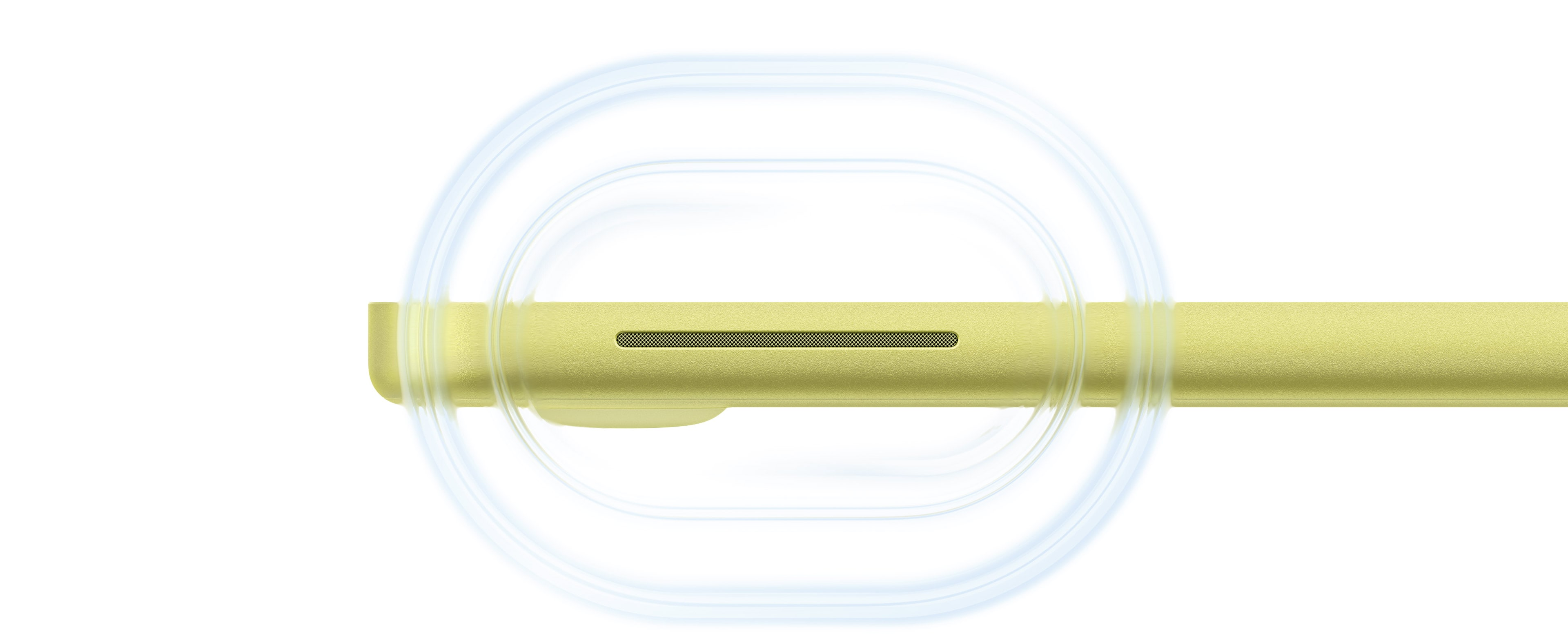
Because the A18 Pro is a low-power mobile chip, the Neo runs completely fanless. No cooling system, no fan noise — ever. In weeks of use, the machine ran silently through everything we threw at it, including 4K video exports. Professional video editor Tyler Stalman described editing 4K footage on the Neo as "totally fine, even with every other app running." We found the same.
The one real limit is RAM. The Neo ships with 8GB of unified memory, non-upgradable. For most everyday users that is sufficient. For heavy multitaskers or demanding creative workflows, that ceiling will eventually be felt. It is the right compromise for this price point, but it is a compromise worth acknowledging.
The Chip Story No One Is Telling
Here is something Apple has not publicized, but the supply chain community pieced together quickly: the MacBook Neo's A18 Pro chips are binned units — processors originally manufactured for the iPhone 16 Pro that were set aside because minor defects made them unsuitable for phone production.
Rather than discarding them, Apple repurposed them for the Neo. The defects that disqualify a chip from iPhone duty are essentially irrelevant in a laptop with different thermal tolerances. The result is a machine with iPhone Pro-class processing power at a fraction of the cost — not out of generosity, but out of smart inventory management. It is the kind of vertical integration advantage only Apple can pull off.
This is also why supply has been constrained. Apple cannot manufacture more A18 Pro chips on demand — it depends on the natural byproduct of its iPhone production cycle. As of late April, shipping delays are running two to three weeks.
Battery Life
Apple rates the MacBook Neo at up to 16 hours, tested against wireless web browsing and 1080p video streaming. In real-world use, that figure holds up well under light to moderate workloads. For a typical school or workday — writing, browsing, video calls — the Neo will last comfortably without a charger. This is a full-day machine by any reasonable standard.

Software
The MacBook Neo ships with macOS Tahoe and Apple Intelligence built in. But arguably the bigger software story is what is not there. Unlike Windows laptops at this price, the Neo arrives with no 30-day antivirus trials, no pre-installed subscription prompts, no LinkedIn shortcuts, no Microsoft 365 nag screens. Just macOS.

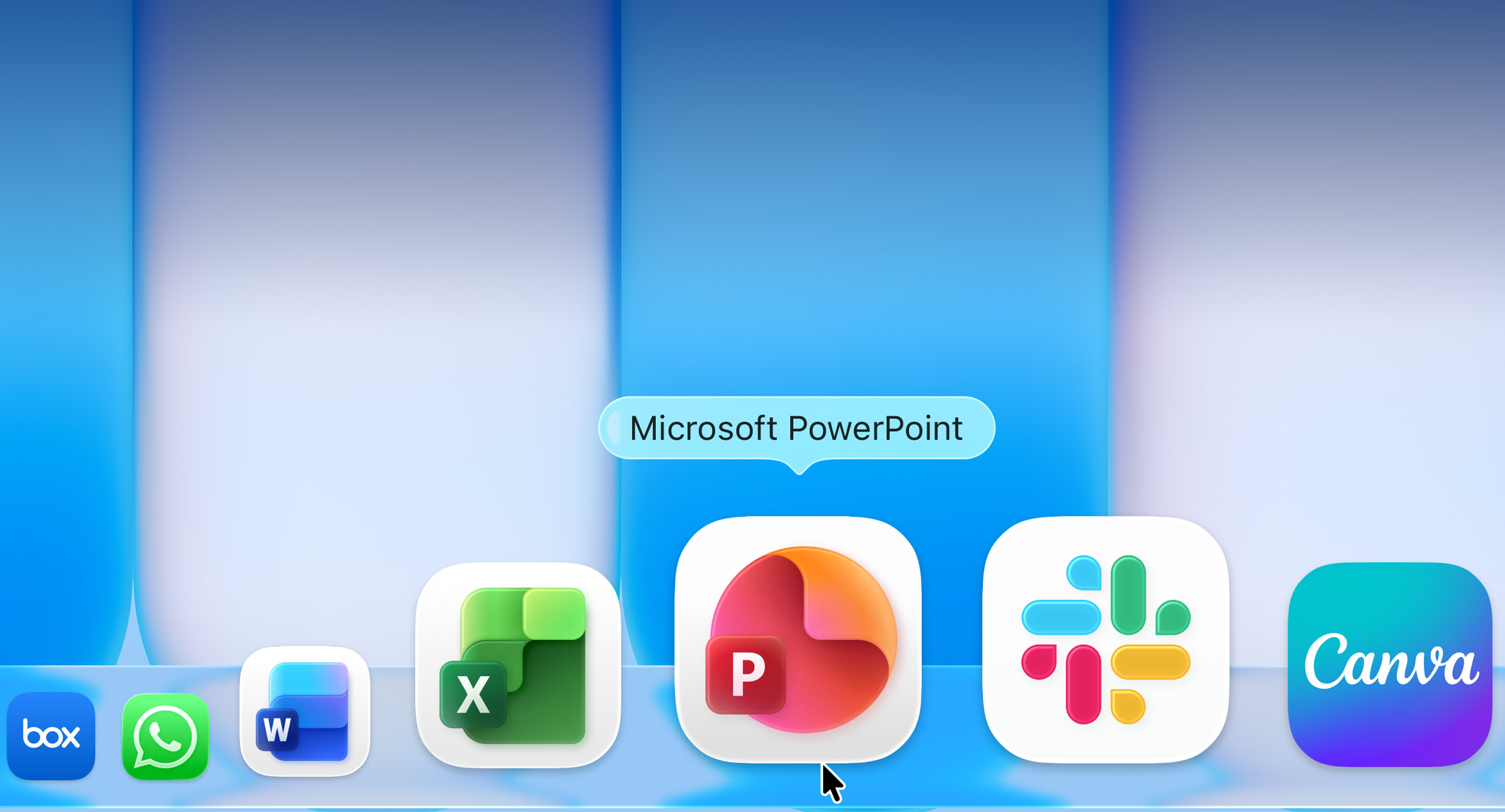
That clean-slate experience is something Mac users take for granted but rarely exists in this price range on the PC side.

Value & Competition
At $599, the MacBook Neo competes directly against Chromebooks and budget Windows laptops — and it is not a close contest. Most of what sells at this price on the Windows side is plastic construction, dim displays, mediocre trackpads, and chips that throttle under sustained load. The Neo offers aluminum build quality, a bright high-resolution display, a large responsive trackpad, a solid keyboard, and 16 hours of battery life. The gap in real-world quality is enormous.

The Neo's launch has reflected this. Tim Cook noted it was Apple's best launch week ever for first-time Mac customers. Apple temporarily capped purchases at two units per person to manage demand. The machine is drawing people into the Mac ecosystem who never considered it before — and that is exactly what Apple intended.
“This is the most accessible the Mac has ever been — and nothing in the PC market at this price comes remotely close.”
Verdict
The MacBook Neo is not a perfect laptop. Apple made compromises — no backlit keyboard on the base model, no MagSafe, a non-P3 display, and 8GB of non-upgradable RAM. Those trade-offs are real and worth understanding before you buy.
But weigh those cuts against what the Neo actually delivers — a beautifully built, completely silent, all-day machine that outperforms flagships from two years ago at $599 — and the conclusion is hard to argue with.
For the money, nothing in the PC market comes close.
Related Articles
Apple MacBook Pro M4: The Laptop That Ran Out of Competition
The most capable laptop Apple has ever shipped — three chips, 128GB unified memory, 24-hour battery, Thunderbolt 5, and on-device AI that never leaves your device.
iPad Pro M5 (2025) Review: Incredible Power That (Finally) Has a Purpose
iPadOS 26 finally unleashes the iPad Pro's power. The M5 chip brings 3.5x faster AI performance, but is the upgrade worth it for M4 owners?
Apple Just Released iOS 26.5 — Here's Everything That's New
iOS 26.5 is one of the most quietly significant mid-cycle updates Apple has shipped in years. End-to-end encrypted RCS, predictive Maps search, a redesigned Pride wallpaper, and two other polished improvements — here's the full breakdown.

Apple Watch Ultra 3 Review: The Ultimate Adventure Companion Evolves
Apple refines the Ultra line with meaningful upgrades including a brighter display, faster S10 chip, and exceptional battery life that justify the premium price tag.