Apple Watch Ultra 4 Review Roundup: Same $799, Same Body, a Very Different Watch Underneath
Apple kept the case and price unchanged, then rebuilt the sensors, extended the battery, and added a subscription-free Readiness score.
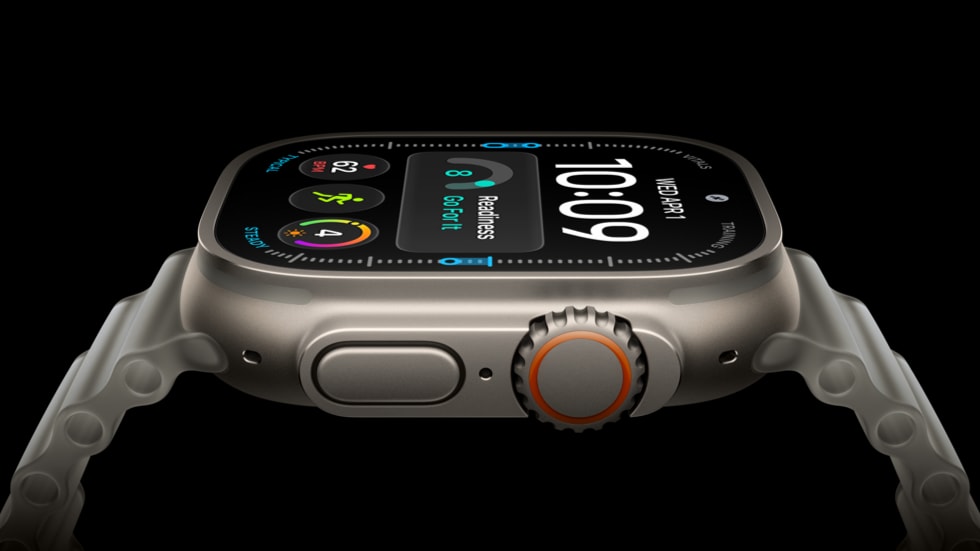
The Apple Watch Ultra 4 went on sale Friday, September 18, alongside the iPhone 18 Pro. It starts at $799 — exactly what the Ultra 3 cost, and exactly what every Ultra has cost since the line launched in 2022. In a season when Apple raised iPhone storage prices by as much as $500, a flagship that holds its price is worth noting on its own.
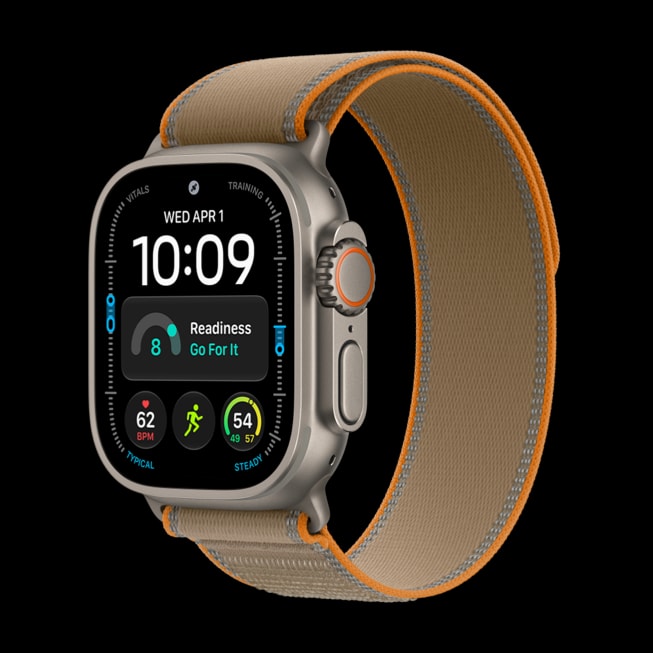
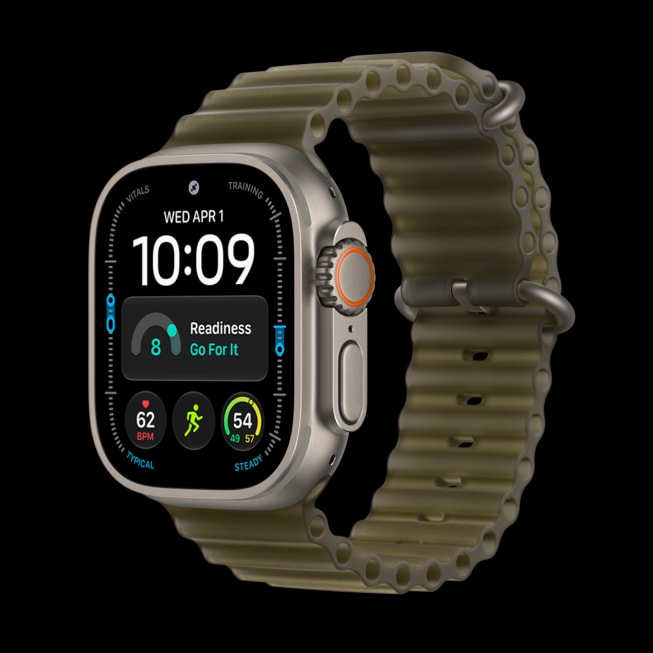
Look at it on a wrist and you won't be able to tell it apart from last year's. The case is the same 49mm titanium slab, the display is the same size and the same 3,000 nits. Apple didn't redesign anything you can see.
What changed is underneath: a new chip, a rebuilt sensor array, a meaningfully bigger battery figure, and a health score that puts Apple directly against Oura and Whoop — without their subscriptions. Here's what's real, what's still a promise, and who should actually buy one.
The sensors are the story
Apple calls it the new Health Sensing System, and it's the part of this watch that justifies the generation number.
The optical heart sensor now uses larger, more power-efficient green LEDs, paired with new electrical heart sensors and the S11 chip, which Apple calls its most powerful wearable chip. The practical result: the Ultra 4 measures heart rate every five seconds, continuously, and captures heart rate variability up to 24 times more often than the previous model. Apple claims it delivers "the most accurate heart rate sensing in a wearable," along with the most accurate on-device GPS in a sports watch and the most accurate step tracking of any smartwatch.
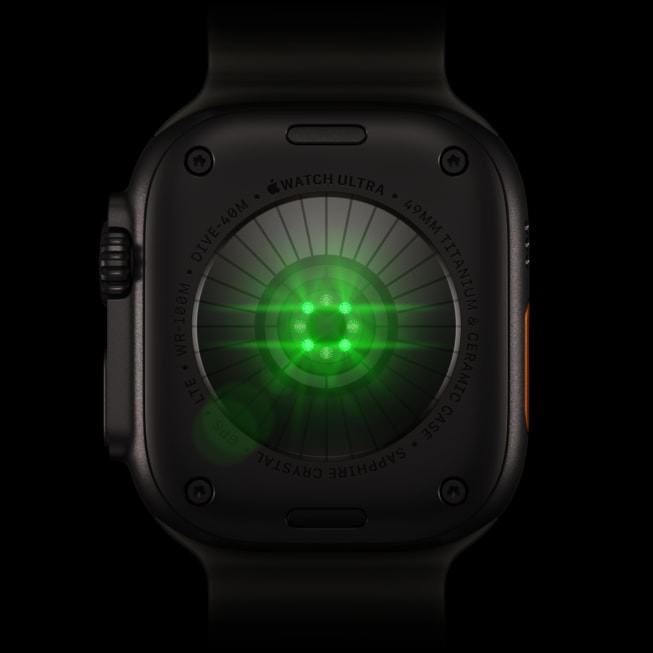
Those are Apple's claims, not independent test results, and the GPS and step-tracking ones in particular will take months of real-world comparison against Garmin and Coros to confirm. But the underlying change — measuring far more often, with more efficient hardware — is the kind that shows up in the data rather than the marketing.
Why measurement frequency matters more than a bigger number on a spec sheet: heart rate variability is noisy. A single reading taken once a night can swing on a late meal, a glass of wine or one restless hour, which is why recovery scores built on a single data point have a reputation for being erratic. Sampling dozens of times a day and comparing against a personal baseline is how that noise gets averaged out. Which means the value of this upgrade doesn't show up on day one. It shows up a few weeks in, once the watch has enough of your own history to tell a bad night from an unusual one.
HRV now splits into two measurements: recovery HRV, sampled while you sleep and compared against your own baseline, and overall HRV across the day. Apple also added daytime vitals, so you can see how your metrics drift between the overnight window and waking hours. That's a real gap in what Apple Watch could previously tell you.
Readiness: Apple's move on Oura and Whoop
The headline software feature is Readiness, a daily score from 0 to 10 that weighs your activity, training load, vitals and sleep, then puts you in one of four states: Recover, Pace Yourself, Ready, or Go For It.
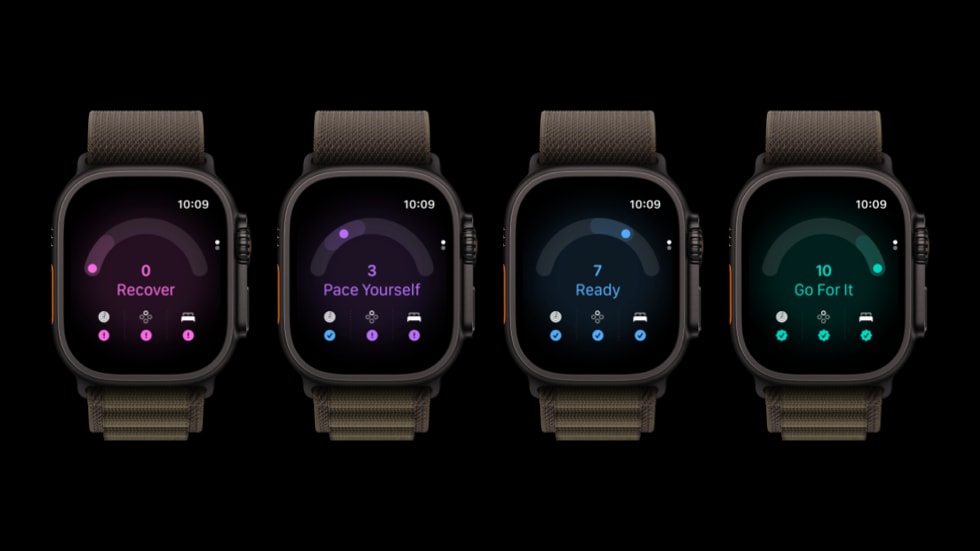
Two things separate it from what Oura and Whoop do. The first is that it keeps moving. As CNET's Vanessa Hand Orellana put it, "the Apple Watch keeps measuring your daytime vitals and adjusts your Readiness score as the day unfolds" — rather than handing you one number at breakfast and leaving it there.
The second is the price. Oura charges a monthly subscription for its analytics. Apple's Readiness score costs nothing beyond the watch.
Apple also added movement evaluations that assess flexibility, strength and balance using vision-based AI, which is a genuinely new category for the watch rather than another ring to close.
Battery: the biggest practical upgrade
The numbers moved, and they moved in the direction that matters for the people who buy an Ultra:
Fast charging improved too: 15 minutes on the charger buys about 18 hours of use, which changes how you'd handle a morning race start after forgetting to charge overnight.
Independent testing supports the everyday figure. 9to5Mac's Chance Miller reported charging to 100% at 8 p.m. Sunday and not returning to the charger until 8 p.m. Tuesday — a full 48 hours. For an ultra-distance runner or anyone doing a multi-day hike, an honest two days plus a 25-hour workout window is the difference between carrying a charger and leaving it home.

The features that aren't here yet
Apple announced a set of audio intelligence features for the Ultra 4 that are arriving in beta later in 2026, which means they weren't available to any reviewer and aren't on your wrist this weekend:
1. Sound Recognition alerts you to sirens, alarms, doorbells and a baby crying. 2. Live Rewind shows the previous 15 seconds of a conversation as text when you double-press the Digital Crown. 3. Siri Recap automatically summarizes conversations into key points.
Apple's privacy architecture around them is worth reading closely, because on paper it's stronger than the industry norm. The audio is processed in what Apple calls a Secure Exclave — a "dedicated hardware-isolated compartment that processes audio in complete isolation from the rest of the system, then immediately deletes it." Apple says these features "do not create or store audio recordings," and that Live Rewind and Siri Recap snippets are end-to-end encrypted.
The Health app goes long-term
Paired with iOS 27, the Health app gains a Longevity tab that analyzes your data over the long run and a Health Age metric that compares your numbers against your actual age, plus an Insights tab that surfaces things as they come up.
The more interesting addition sits outside the phone entirely: Apple is offering access to over 50 biomarkers for $119 at roughly 2,000 Quest Diagnostics locations. A consumer blood panel feeding a consumer health app is a notable step, and one worth watching, because a number on a dashboard is not a diagnosis. Nothing here replaces a clinician reading your results in context.
What else is new
watchOS 27 brings Siri AI to the wrist with a dedicated Siri app and a Siri Modular watch face, a dynamic grid of five suggested apps, a single-handed tap gesture — index finger to thumb — for widgets, Shazam in the Smart Stack, and a new perimenopause and menopause option in Cycle Tracking. Workout Buddy now runs without an iPhone nearby, as long as you have Wi-Fi or cellular. The Verge's Victoria Song noted Siri queries are noticeably faster on the new hardware than on her Ultra 3.
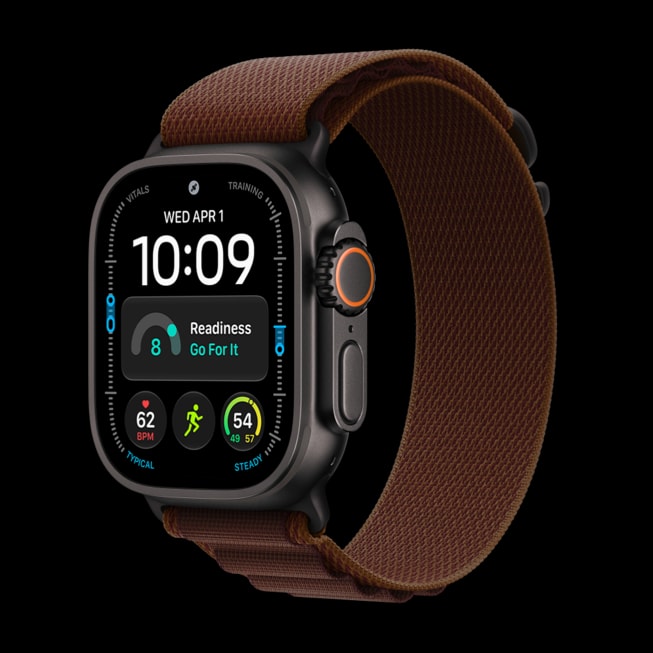
On the outside: natural and black titanium cases, with the Trail Loop in dark umber, sand and burgundy, the Alpine Loop in desert, dark olive and burgundy, and the Ocean Band in translucent gray, kelp and black. Hermès gets a Grand H titanium band with a wet suit extension and an exclusive "Fathom and Wonder" face. Apple also notes the watch is 45% recycled material overall, with 100% recycled titanium in the case.
Who should buy it
The honest summary: the Ultra 4 is a sensor-and-battery upgrade wearing last year's body. That sounds like a knock, and for Ultra 3 owners it is. For everyone else, it's the most capable Apple Watch yet, and the price didn't move — which, in September 2026, is its own kind of headline.
Sources
Apple Newsroom, "Apple unveils Apple Watch Ultra 4."
MacRumors' Apple Watch Series 12 and Ultra 4 review roundup, citing CNET, 9to5Mac, The Verge and Engadget.
Macworld's Apple Watch 2026 guide.
Tom's Guide's Apple Watch Ultra 4 coverage.
Related Articles

Apple Watch Ultra 3 Review: The Ultimate Adventure Companion Evolves
Apple refines the Ultra line with meaningful upgrades including a brighter display, faster S10 chip, and exceptional battery life that justify the premium price tag.

MacBook Neo Review: The Laptop That Changes Everything
Apple's $599 MacBook Neo packs the A18 Pro chip from the iPhone 16 Pro into a beautifully built, completely fanless laptop that outperforms flagships from two years ago. It's the most important — and most accessible — Mac in years.
Apple Just Released iOS 26.5 — Here's Everything That's New
iOS 26.5 is one of the most quietly significant mid-cycle updates Apple has shipped in years. End-to-end encrypted RCS, predictive Maps search, a redesigned Pride wallpaper, and two other polished improvements — here's the full breakdown.

Apple Now Wants to Lease You an iPhone — Here's What That Really Means
Apple Upgrade replaces the iPhone Upgrade Program with a Klarna-backed lease covering iPhones, Macs, iPads, and Apple Watches. The monthly price looks small — until you realize you never own the device.