Samsung Galaxy S26 Series: Everything You Need to Know About All Three Models
S26, S26 Plus, S26 Ultra — pricing, specs, cameras, charging, and the catches that matter

Samsung kicked off 2026 with three new flagships: the Galaxy S26, the Galaxy S26 Plus, and the Galaxy S26 Ultra. All three were announced on February 25, 2026, and went on sale March 11. All three run Android 16 with One UI 8.5, share the same Galaxy AI feature set, and come with Samsung's promise of seven years of OS and security updates.
But beyond those shared foundations, the differences between them matter — especially this year, when Samsung made some cuts to the base model that have real long-term implications. Here is the full breakdown.
Galaxy S26 — Starting at $859
Who It's For
The S26 is Samsung's entry point into the flagship tier. It's aimed at people who want a premium Samsung experience without paying Ultra prices — but this year, some meaningful compromises make it a harder sell than in previous generations.
Display & Design
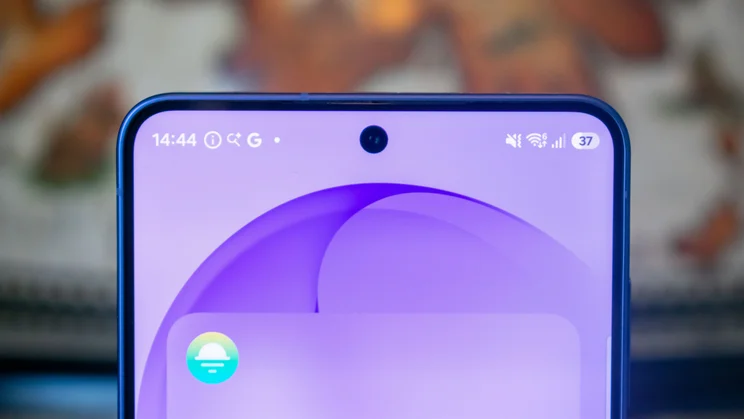
The S26 comes with a 6.3-inch Dynamic LTPO AMOLED 2X display, up slightly from 6.1 inches on the S25. It supports a 120Hz adaptive refresh rate, HDR10+, and peaks at 2,600 nits of brightness — a sharp, vibrant screen that holds its own in direct sunlight. The body is aluminum with a Gorilla Glass Victus 3 front and back, and the design language is clean and minimal, with rounder corners continuing the direction Samsung started last year.
Performance
In North America, China, and Japan, the S26 runs the Snapdragon 8 Elite Gen 5 for Galaxy. The rest of the world gets the Exynos 2600. Both are fast chips — in day-to-day use, you're not going to feel limited by either. The phone ships with 12GB of RAM and 256GB or 512GB of internal storage.
Camera
Here's where the S26 starts to show its compromises. The camera system carries over unchanged from the S25: a 50MP main camera, a 12MP ultrawide, and a 10MP telephoto with 3x optical zoom. The 10MP telephoto, in particular, is starting to look dated for a phone in this price tier in 2026. Competitors at similar or lower prices are offering better zoom hardware.
Battery & Charging
The S26 gets a modest bump in battery capacity over its predecessor, and supports up to 25W wired charging — the slowest in the S26 lineup this year. Wireless charging is supported at 15W via Qi2.2, though the phone lacks built-in magnets.
The Catch
The S26's biggest weakness isn't something you'll feel on day one — it's a future-proofing problem. Samsung removed the mmWave 5G antenna this year (which the S25 had), dropped UWB support, and kept Bluetooth at 5.4 rather than upgrading to Bluetooth 6. These aren't dealbreakers today. But Samsung is selling this phone on a seven-year software support promise, and starting that seven years without cutting-edge connectivity specs is a real concern for longevity-minded buyers.
Galaxy S26 Plus — Starting at $1,059
Who It's For
The S26 Plus is the middle ground — a bigger phone with a bigger battery and faster charging than the base S26, at a price that stops $240 short of the Ultra. For a lot of people, it represents the sweet spot in this lineup.
Display & Design
The S26 Plus carries a 6.7-inch Dynamic LTPO AMOLED 2X display, matching the S25 Plus in screen size. Same 120Hz adaptive refresh rate, same 2,600 nit peak brightness, same HDR10+ support. The design mirrors the S26 — aluminum frame, Gorilla Glass Victus 3 front and back, slightly rounder corners than the previous generation. It's a refined and premium-feeling device without anything dramatically new to look at.
Performance
The chipset situation mirrors the S26: Snapdragon 8 Elite Gen 5 in the US, China, and Japan; Exynos 2600 everywhere else. Same 12GB of RAM, same 256GB and 512GB storage configurations. Performance is excellent across the board.
Camera
The S26 Plus shares the same triple camera system as the base S26 — 50MP main, 12MP ultrawide, 10MP telephoto at 3x. The camera hardware is identical to the S25 Plus, meaning no upgrades here either. In practice, the cameras produce solid results for everyday shooting, but if camera performance is your priority, the gap between the Plus and the Ultra is significant.
Battery & Charging
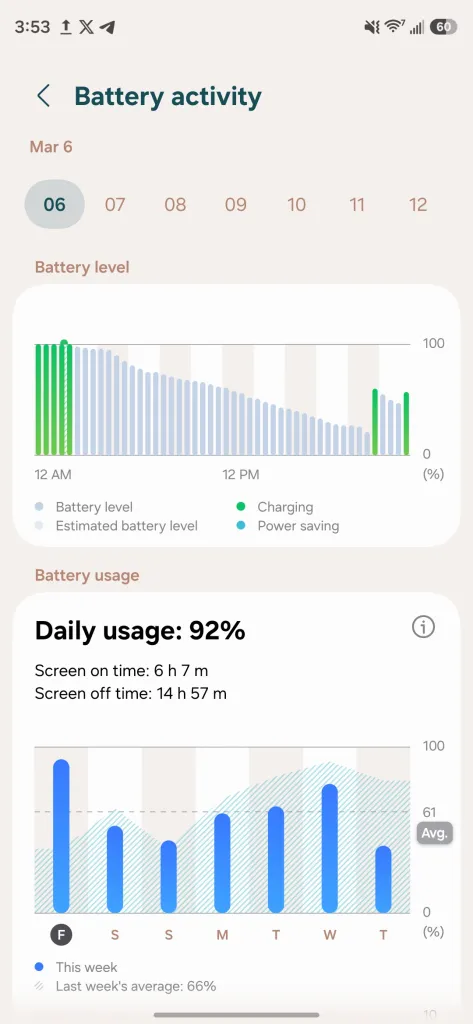
This is where the S26 Plus earns its price premium over the base model. It supports 45W wired charging — nearly double the base S26's 25W — which makes a tangible difference in real-world use. Wireless charging via Qi2.2 is supported at 25W. Battery capacity is in line with the S25 Plus and handles a full day of use comfortably.
The Catch
The S26 Plus doesn't bring anything meaningfully new over the S25 Plus. If you're upgrading from that phone specifically, the gains are incremental — faster chip, slightly faster charging, rounded design. For anyone coming from two or more generations back, though, the jump is more noticeable.
Galaxy S26 Ultra — Starting at $1,299
Who It's For
Power users. Creatives. Anyone who wants the best camera, the most features, and a phone they're confident will hold up for the long haul. The S26 Ultra is the only model in this lineup that feels like a no-compromise choice in 2026.
Display & Design
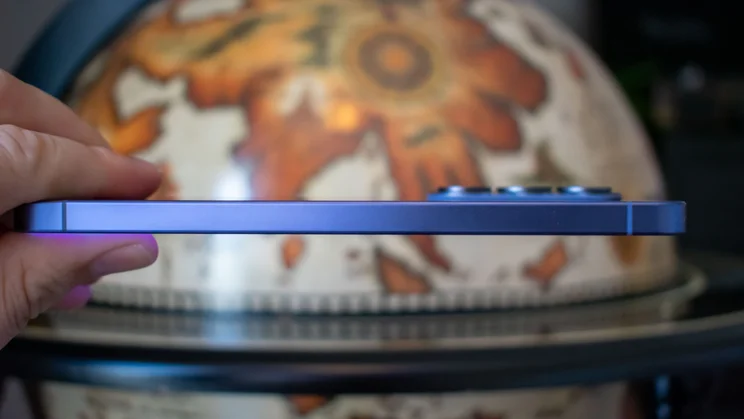
The S26 Ultra gets a 6.9-inch Dynamic LTPO AMOLED 2X display with the same 120Hz refresh rate and 2,600 nit brightness as its siblings — but with Corning Gorilla Armor 2 on the front instead of Gorilla Glass Victus 3, offering meaningfully better scratch and drop protection. It's also the slimmest Ultra Samsung has made, coming in at 7.9mm, and the switch from titanium to aluminum makes it 4 grams lighter than the S25 Ultra.
The big design headline is the Privacy Display — a first for smartphones. When enabled, the screen's viewing angle narrows significantly, making it nearly impossible for people beside you to read your screen while it appears perfectly normal straight-on. You can set it to activate automatically for specific apps, notifications, or password inputs.
“It sounds like a gimmick until you're actually on a plane or a train and you realize how much you needed it.”
Performance
Unlike the S26 and S26 Plus, the S26 Ultra runs the Snapdragon 8 Elite Gen 5 worldwide — no Exynos split. It also offers an optional 16GB RAM configuration on the 1TB model, which makes a difference for heavy 4K video recording or intensive multitasking. This is the only model in the S26 lineup to offer more than 12GB of RAM.
Camera
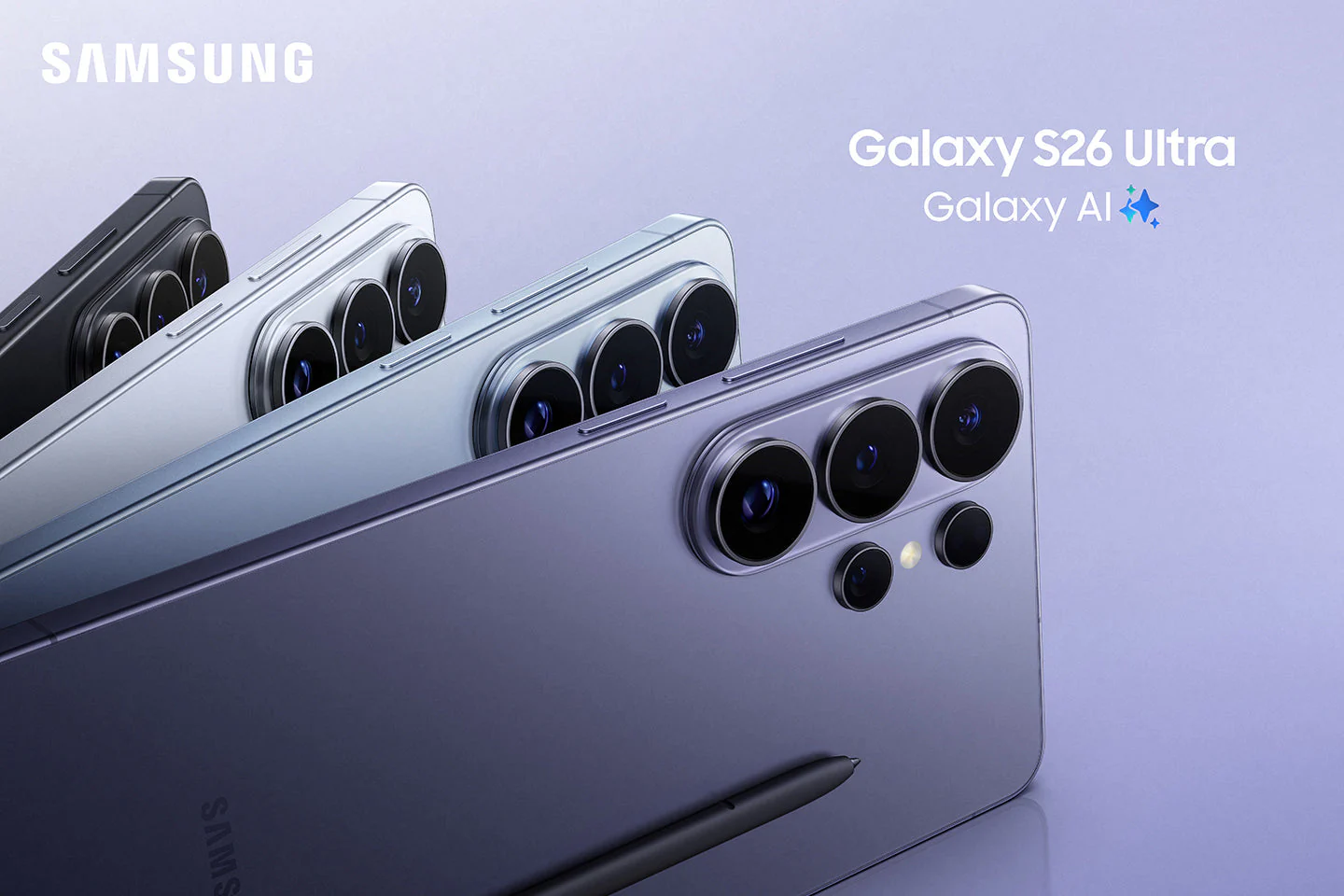
The Ultra's quad-camera system is where it separates itself most clearly from the rest of the lineup. The primary 200MP sensor now has a faster f/1.4 aperture (up from f/1.7 on the S25 Ultra), which makes a meaningful difference in low-light performance — better detail, lower noise, more accurate color in challenging conditions. The 5x periscope telephoto also gets a wider f/2.9 aperture (from f/3.4), and a new All Lens On Prism mechanism replaces the traditional periscope design.
The aperture upgrades are real improvements. In low light especially, the S26 Ultra outperforms its predecessor noticeably. Telephoto consistency has also improved, addressing some of the sporadic reliability issues on the S25 Ultra. The weak link remains the 3x bridge camera, which underperforms relative to the rest of the system — and both the primary and 5x cameras don't focus as close as last year, so macro photography takes a step back.
On video, the S26 Ultra is the only model in the lineup that supports recording in the APV (Advanced Professional Video) codec, a pro-grade format designed for high-quality, perceptually lossless capture. Combined with Nightography improvements for low-light video and class-leading stabilization, it's a compelling option for video creators.
Battery & Charging
The S26 Ultra supports 60W wired charging — the fastest Samsung has ever put in a Galaxy smartphone, and a genuine step forward for the series. The 5,000mAh battery handles a full day comfortably, with Samsung claiming up to 31 hours of video playback. Wireless charging via Qi2.2 is supported at 25W. The phone also lacks built-in magnets, like the rest of the S26 lineup.
The S Pen
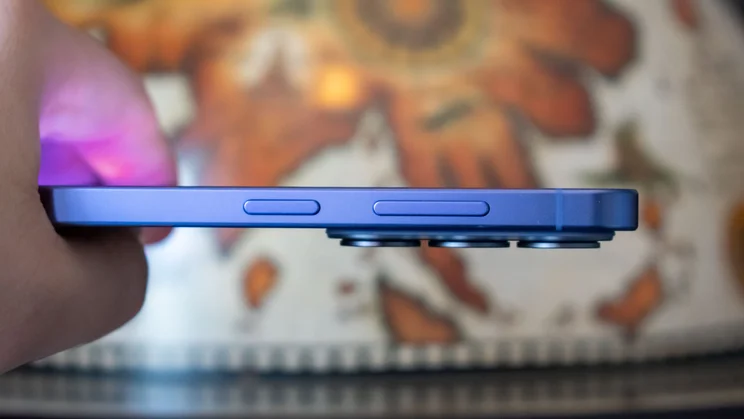
The S Pen remains an Ultra exclusive, and it's still the most capable stylus integrated into an Android phone. With 4,096 pressure levels, 0.7mm pen tip, and 2.8ms latency, it remains the tool of choice for note-takers, illustrators, and anyone who prefers writing to typing. This year's Expert RAW adds a Virtual Reflector feature, which simulates a physical light reflector to balance shadow exposure in portrait shots — a small but useful addition for photographers.
Galaxy AI on the Ultra
All S26 models get Galaxy AI, but the Ultra gets a few extras. Now Nudge surfaces contextual suggestions in real time based on what's on your screen — if someone mentions making plans, it prompts you to open Calendar. If a friend asks for photos, it opens Gallery. It's subtle but well-implemented. Photo Assist now accepts written prompts, and Bixby has been upgraded to understand natural language for device settings and searches. As of March 2026, these features support 41 languages.
Which One Should You Buy?
Three different price tiers, three different recommendations. Here is the short version:
For more coverage of Samsung, Apple, and the latest in smartphones, follow Tech News Weekly.
Related Articles
Samsung Galaxy Unpacked 2026: Everything We Know About the S26 Launch on February 25
Samsung just made it official: the first Galaxy Unpacked event of 2026 is happening on February 25 in San Francisco, and the Galaxy S26 lineup is ready to make its debut.

Samsung Galaxy S25 Ultra: Refinement at Its Absolute Peak
The most complete Android phone you can buy — even if it isn't the most exciting one. Best display, Snapdragon 8 Elite, and Galaxy AI define Samsung's 2025 flagship.

Samsung's Galaxy Z Fold 8 Changes Shape — and Aims Straight at Apple's Foldable iPhone
The Galaxy Z Fold 8 is shorter and wider than any Fold before it — a deliberate redesign that fixes the line's oldest complaint and positions Samsung directly against the foldable iPhone Apple is expected to launch.

Everything You Need to Know About the Google Pixel 10 Pro
The Google Pixel 10 Pro represents the sweet spot in Google's latest smartphone lineup — delivering flagship performance without the bulk of larger phones.